

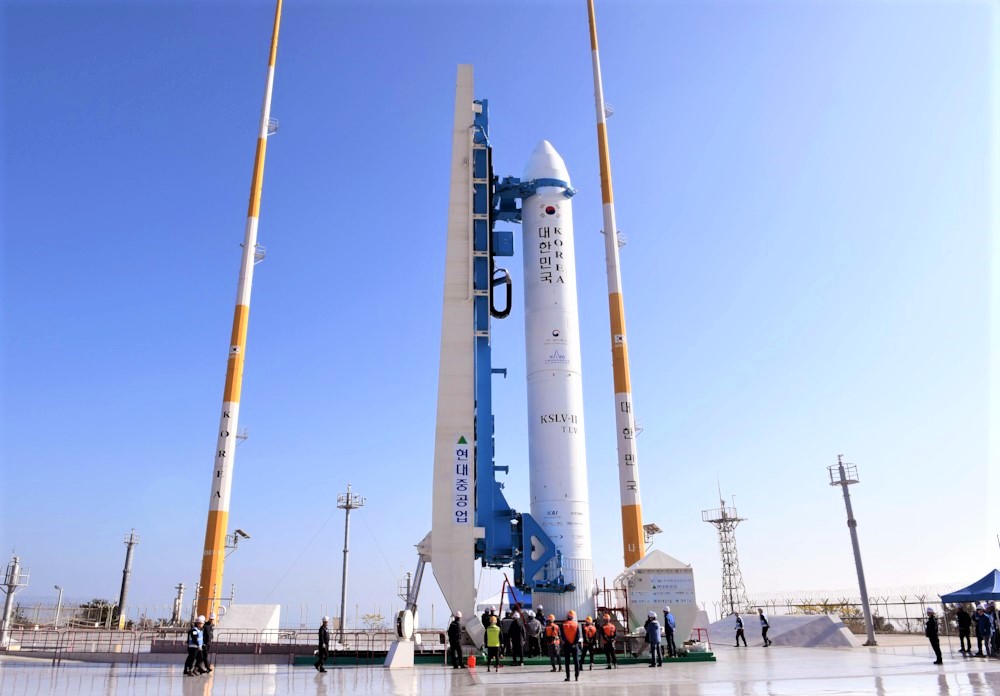
South Korea Nuri Rocket has successfully deployed 15 satellites in a historic fifth launch, marking a significant achievement in the nation’s space endeavors.
Overview of the Nuri Rocket Launch
The recent launch of South Korea’s Nuri Rocket marks a significant achievement in the nation’s space exploration efforts. This mission successfully deployed a total of 15 satellites into orbit, showcasing the rocket’s reliability and performance. The Nuri Rocket, which is part of South Korea’s ambitious space program, has been developed to enhance the country’s capabilities in satellite technology and space research.
The launch took place at the Naro Space Center, where engineers and scientists celebrated the milestone as a testament to their hard work and dedication. The satellites deployed include various technological advancements aimed at improving communication, weather forecasting, and national security.
With this fifth launch, South Korea demonstrates its growing expertise in space technology and positions itself as an emerging player in the global space industry.
Significance of the Fifth Launch
The fifth launch of the South Korea Nuri Rocket marks a significant achievement in the nation’s growing space capabilities. Successfully deploying 15 satellites, this mission underscores South Korea’s commitment to advancing its technological prowess and enhancing its position in the global aerospace sector.
The successful deployment of multiple satellites in a single launch demonstrates the reliability and efficiency of the Nuri Rocket, paving the way for future missions. This milestone not only boosts national pride but also fosters international collaboration in space exploration.
Furthermore, the fifth launch is expected to contribute to various sectors, including communication, earth observation, and scientific research. As South Korea continues to expand its space program, the significance of the Nuri Rocket’s success cannot be overstated, marking a new era in the country’s aspirations to establish a robust presence in space.
Details on the 15 Deployed Satellites
In a significant achievement for the South Korea Nuri Rocket program, the recent launch successfully deployed a total of 15 satellites into orbit. This milestone not only demonstrates the rocket’s reliability but also showcases South Korea’s growing capabilities in space exploration.
The deployed satellites include:
- Scientific Research Satellites: Designed for atmospheric research and climate monitoring.
- Commercial Satellites: Aimed at enhancing telecommunications and data services.
- Technology Demonstrators: Used to test advanced satellite technologies for future missions.
- Earth Observation Satellites: Focused on providing critical data for agriculture and disaster management.
This successful deployment marks a pivotal moment in South Korea’s aspirations to become a key player in the global space industry.
Future Plans for South Korea’s Space Program
As South Korea’s Nuri Rocket continues to demonstrate its capabilities, the nation is setting its sights on ambitious future plans for its space program. The successful deployment of 15 satellites marks a significant milestone, but it is just the beginning.
Officials are looking to expand their satellite technology for various applications, including:
- Earth observation to monitor environmental changes
- Telecommunications to enhance connectivity
- Scientific research to support space exploration
In addition, South Korea aims to collaborate internationally, fostering partnerships that will enhance its technological advancements. The Nuri Rocket is expected to play a crucial role in upcoming missions, including plans for lunar exploration and the development of a next-generation launch vehicle. This commitment to growth and innovation underscores South Korea’s ambition to establish a leading presence in the global space arena.
Comparing Nuri Rocket to Other Launch Vehicles
The success of the South Korea Nuri Rocket in deploying 15 satellites raises questions about its capabilities compared to other launch vehicles. When evaluating the Nuri Rocket, several factors must be considered:
- Payload Capacity: The Nuri Rocket is designed to carry significant payloads, making it competitive with established rockets like the SpaceX Falcon 9.
- Cost Efficiency: South Korea’s investment in the Nuri Rocket aims to reduce launch costs, potentially offering a more affordable option for satellite deployment.
- Reliability: With five successful launches, the Nuri Rocket is proving its reliability, a crucial factor for countries seeking to enhance their space capabilities.
- Technological Advancements: The Nuri Rocket incorporates cutting-edge technology, positioning South Korea as a growing player in the global space industry.
As South Korea continues its advancements, the Nuri Rocket may redefine standards for future launch vehicles.
Challenges Faced During the Launch
Despite the success of the Nuri Rocket in its fifth launch, several challenges were encountered during the mission. These challenges tested the resilience of the team and the reliability of the technology.
- Technical Setbacks: Initial preparations faced delays due to software issues that required extensive troubleshooting.
- Weather Conditions: Unfavorable weather on launch day raised concerns about safety, leading to a last-minute decision to proceed with caution.
- Coordination with International Agencies: Ensuring seamless communication with partner organizations for satellite deployment added complexity to the operation.
Despite these hurdles, the Nuri Rocket successfully completed its mission, showcasing South Korea’s growing capabilities in space technology.
The lessons learned from these challenges will undoubtedly shape future launches and enhance the nation’s ambitions in the space sector.
International Reactions to the Success
International reactions to the success of the South Korea Nuri Rocket have been overwhelmingly positive, with many nations recognizing the milestone as a significant achievement in global space exploration. Experts from various countries have praised South Korea’s determination and technological advancements in launching the Nuri Rocket, highlighting its capability to deploy multiple satellites efficiently.
In the United States, officials commended the successful deployment, stating it enhances international cooperation in space endeavors. European space agencies have expressed interest in potential collaborative projects, viewing South Korea’s progress as an opportunity to strengthen ties in the aerospace sector.
Furthermore, countries in Asia are keenly observing the developments, with some expressing aspirations to enhance their own space programs. Overall, the successful launch of the Nuri Rocket positions South Korea as a formidable player in the competitive arena of space exploration.
Implications for Global Space Exploration
The successful deployment of 15 satellites by South Korea’s Nuri Rocket marks a significant milestone not only for the nation but also for global space exploration efforts. This achievement demonstrates South Korea’s growing capabilities in space technology and positions the country as a competitive player in the international arena.
With the Nuri Rocket’s proven success, opportunities for collaboration with other nations may increase, fostering joint missions and sharing of technology. The implications extend beyond national pride, as advancements in satellite deployment can enhance global communication, weather forecasting, and research initiatives.
Furthermore, as more countries invest in their own space programs, the Nuri Rocket’s achievements may inspire emerging spacefaring nations to pursue similar goals. This could lead to a new era of international cooperation and innovation in science and technology.
In conclusion, the Nuri Rocket’s success is a beacon for the future of space exploration.
The recent launch demonstrated that the South Korea Nuri Rocket can successfully deploy multiple satellites into orbit. This achievement marks a significant milestone for the South Korea Nuri Rocket program and highlights the country’s growing capabilities in space technology.
By Kiyoen569 via Openverse