









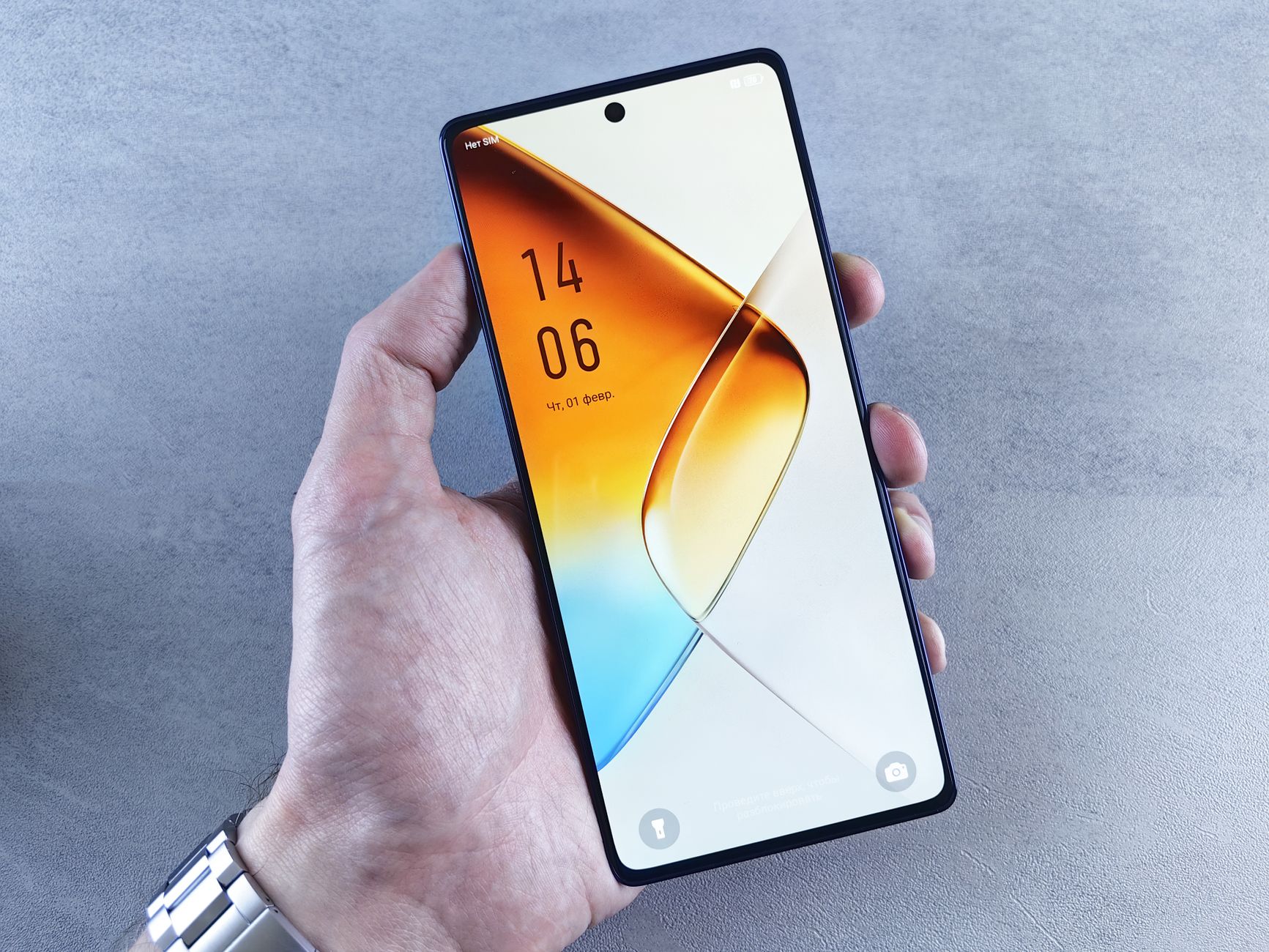
240Hz phone display is set to revolutionize mobile gaming and streaming. The OnePlus 17 leak suggests a significant 2K display enhancement over its predecessor.
What is the 240Hz phone display?
The 240Hz phone display represents a significant advancement in smartphone technology, focusing on a higher refresh rate that enhances the overall user experience. Unlike traditional displays, which typically operate at 60Hz or 120Hz, a 240Hz display can refresh the screen up to 240 times per second. This results in smoother animations, improved responsiveness, and reduced motion blur, making it particularly beneficial for gaming and fast-paced video content.
Some key features of a 240Hz phone display include:
- Smoother visuals: Enhanced fluidity during scrolling and gaming.
- Reduced input lag: Quicker response times for touch interactions.
- Improved battery efficiency: Many 240Hz displays can dynamically adjust the refresh rate to save power.
With the potential for devices like the OnePlus 17 to incorporate this technology, the 240Hz phone display could redefine how users interact with their smartphones.
Benefits of a 240Hz display
The introduction of a 240Hz phone display brings several advantages that can significantly enhance the user experience. Here are some key benefits:
- Improved Smoothness: A 240Hz display allows for smoother animations and transitions, making interactions feel more fluid.
- Enhanced Gaming Experience: Gamers will benefit from reduced motion blur and increased responsiveness, crucial for competitive play.
- Better Touch Response: High refresh rates can lead to quicker touch response times, providing a more engaging experience when scrolling or tapping.
- Reduced Eye Strain: The smoother visuals may help reduce eye strain during prolonged use, making it easier to enjoy content for longer periods.
With these advantages, the 240Hz phone display is poised to be a significant upgrade for those seeking the best in mobile technology.
Comparison with OnePlus 16
As the smartphone market continues to evolve, the 240Hz phone display presents a significant improvement over previous models, including the OnePlus 16. Recent leaks about the upcoming OnePlus 17 highlight this upgrade, showcasing a potential shift to a massive 2K display.
When comparing the OnePlus 16 to its successor, several key differences emerge:
- Refresh Rate: The OnePlus 16 features a standard refresh rate, while the OnePlus 17 may embrace the new 240Hz technology, enhancing fluidity.
- Display Quality: The anticipated 240Hz display is expected to deliver sharper visuals and smoother transitions, appealing to gamers and multimedia consumers alike.
- User Experience: With advancements in touch responsiveness, users can anticipate a more immersive experience when interacting with applications and games.
These enhancements suggest that upgrading to a 240Hz phone display could be among the most impactful improvements in the smartphone industry.
How will it impact gaming?
The introduction of a 240Hz phone display is set to revolutionize the gaming experience on mobile devices. Gamers are always in search of smoother gameplay, and a higher refresh rate can significantly enhance responsiveness and fluidity. With a 240Hz display, players can expect:
- Smoother frame transitions: This reduces motion blur and makes fast-paced action more enjoyable.
- Improved touch response: A quicker refresh rate leads to faster input recognition, which is crucial in competitive gaming.
- Enhanced visuals: The clarity and detail at high refresh rates can make games more immersive.
As mobile gaming continues to grow, the demand for devices that can provide high performance is increasing. The 240Hz phone display could very well be the upgrade that gamers have been waiting for, offering a significant edge in both casual and competitive environments.
User expectations for OnePlus 17
As the anticipation builds for the release of the OnePlus 17, user expectations are soaring, particularly regarding the 240Hz phone display. Enthusiasts are eager to see how this upgrade will enhance their overall experience, especially for gamers and multimedia consumers.
Many users are hoping for:
- Improved responsiveness: A 240Hz display is expected to provide smoother interactions, making navigation seamless.
- Enhanced gaming performance: Gamers anticipate that the increased refresh rate will lead to a competitive edge in fast-paced games.
- Vibrant visuals: Users look forward to the potential for richer colors and sharper images, elevating their viewing experience.
With the OnePlus 17 set to feature a massive 2K display, the incorporation of a 240Hz phone display could redefine user expectations, setting a new benchmark in the smartphone market.
Release date predictions
As excitement builds around the upcoming OnePlus 17, many tech enthusiasts are eagerly speculating about the 240Hz phone display release date. While no official announcement has been made, industry insiders suggest that the launch could coincide with the usual spring release cycle. Based on previous models, we can expect the OnePlus 17 to debut in March or April 2024.
In the lead-up to the release, leaks have hinted at significant upgrades, particularly the introduction of a vibrant 2K display with a 240Hz refresh rate, which could redefine mobile gaming and multimedia experiences. Consumers are hoping for a smoother, more responsive interface that elevates their daily interactions with the device.
The anticipation surrounding this upgrade is palpable, leading many to wonder if the OnePlus 17 will set a new standard for smartphone displays.
Final thoughts on display upgrades
As the smartphone industry continues to evolve, the introduction of a 240Hz phone display represents a significant leap in technology. While previous models focused on improving resolution and color accuracy, this new display refresh rate promises smoother scrolling and enhanced gaming experiences. However, it is essential for users to consider whether this upgrade aligns with their usage habits.
For casual users, the difference may not be as noticeable compared to power users and gamers who will greatly benefit from the increased fluidity. This technology could redefine how we interact with our devices, especially in fast-paced applications.
Ultimately, as manufacturers like OnePlus prepare to launch their latest models, the decision to upgrade will depend on individual preferences. Will the 240Hz phone display set a new standard, or will it be just another feature in a sea of advancements? Only time will tell.
Photo by Andrey Matveev on Pexels
References
KiteFishAI language model: Best Proven AI Tool for Enterprises · Thawed microbes Alaska: The Real Impact on Science · WISeSat.Space stock rise: Is it the best investment now?