



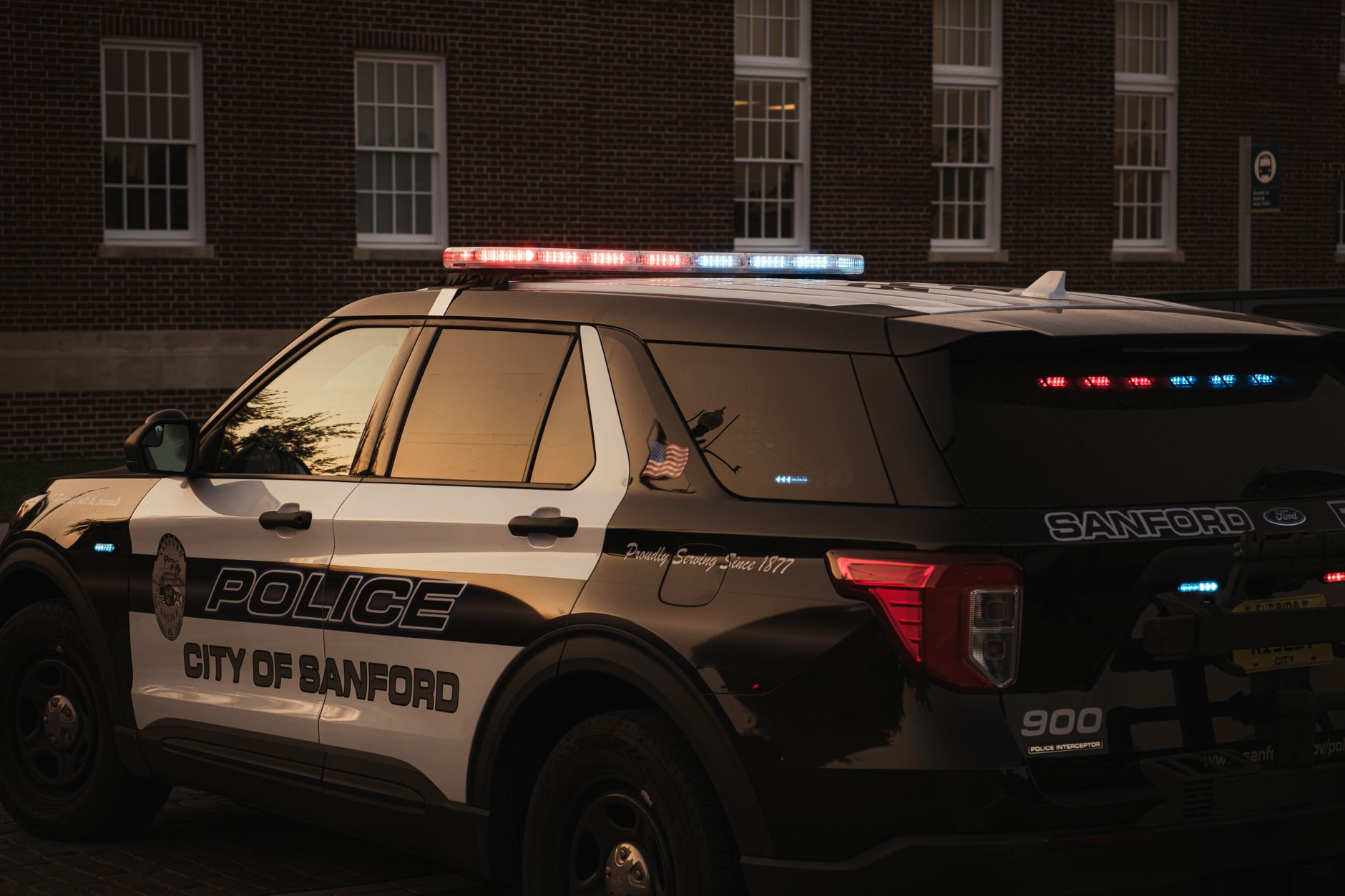
Emergency vehicles need clear, recognizable designs that support identification and visibility in different operating environments. Ambulances, fire response vehicles, rescue units, and other emergency fleet vehicles often travel through busy roads and work in situations where quick recognition matters. Professionally designed custom emergency vehicle wraps and graphics help organizations display essential identification details while maintaining a consistent and professional fleet appearance.
The Importance of Emergency Vehicle Identification
Emergency vehicles serve important public safety functions, making their visual identification a key consideration. Clear markings help members of the public recognize official vehicles and distinguish different emergency services.
A well-planned design may include department names, official symbols, unit numbers, contact information, and other relevant identification elements. These details should be positioned carefully so they remain visible without making the vehicle look overcrowded.
Consistent graphics across a fleet also help create a unified appearance. When multiple vehicles follow similar design standards, they become easier to identify as part of the same organization.
Custom Designs for Different Emergency Vehicles
Emergency fleets include various vehicle types, each with different dimensions and design requirements. Ambulances, fire trucks, rescue vans, command vehicles, and support units may require different graphic layouts.
Custom designs make it possible to adapt markings to each vehicle’s shape and available surface area. Designers must consider doors, windows, equipment compartments, handles, and body panels when planning graphic placement.
A design that works well on an ambulance may need adjustments before being applied to a fire response vehicle. Despite these differences, consistent colors, typography, symbols, and branding elements can help maintain a recognizable fleet identity.
Improving Visibility with Reflective Graphics
Visibility is particularly important for vehicles that operate during nighttime or in poor weather conditions. Reflective materials can help selected markings become more noticeable when illuminated by headlights or other light sources.
Reflective lettering, stripes, and identification elements can support vehicle recognition in low-light environments. Their placement should be carefully planned to maintain a balanced design while keeping important information easy to identify.
Material selection depends on the vehicle’s purpose, operating conditions, and applicable safety requirements. Organizations should consider relevant standards and regulations when selecting reflective colors, patterns, and placement.
Selecting Suitable Wrap Materials
Emergency vehicles are frequently exposed to outdoor conditions, regular cleaning, road debris, and everyday operational wear. Their graphics therefore need materials suitable for demanding use.
Vehicle-grade vinyl is commonly used for wraps, lettering, and decorative elements. Depending on the project, organizations may choose full wraps, partial wraps, or individual graphic applications.
Full wraps cover most of the vehicle’s exterior and provide extensive design flexibility. Partial wraps focus on selected sections, while individual decals and lettering can display specific information without covering large areas.
The best option depends on the organization’s visual goals, vehicle condition, budget, and maintenance expectations.
Professional Installation and Accurate Placement
Even a well-designed graphic can look unprofessional if it is installed incorrectly. Proper installation begins with preparing the vehicle surface and checking the dimensions of each panel.
Graphics must be aligned carefully around curves, edges, doors, and other vehicle features. Smooth application helps reduce wrinkles, air bubbles, and uneven edges. Accurate placement is also important for maintaining the readability of department names, unit numbers, and other identification details.
Professional installation can help produce a consistent finish across vehicles of different sizes and models.
Maintaining Emergency Fleet Graphics
Regular maintenance helps preserve the appearance and usefulness of vehicle graphics. Organizations should inspect wraps for peeling, scratches, fading, and damage caused by daily operations.
Cleaning with appropriate products and methods can help protect the vinyl surface. Following recommended care instructions is important, especially for vehicles that operate outdoors throughout the year.
When a vehicle receives repairs or replacement panels, its graphics may also need attention to maintain a consistent fleet appearance.
Creating a Professional and Recognizable Fleet
Custom emergency vehicle graphics combine practical identification with thoughtful visual design. Clear markings, suitable reflective materials, durable wraps, and accurate installation all contribute to an effective result.
By planning designs around vehicle requirements and organizational standards, emergency service providers can create a coordinated fleet appearance. Well-maintained graphics help keep vehicles recognizable while supporting a professional image in the communities they serve.
Quick Summary
- Emergency vehicles require clear designs for quick recognition in various operating environments.
- Custom designs for emergency vehicles must adapt to different types, shapes, and available surface areas.
- Reflective graphics enhance visibility for emergency vehicles operating in low-light or poor weather conditions.
- Vehicle-grade vinyl is the common material used for emergency vehicle wraps, ensuring durability against outdoor conditions.
- Professional installation is crucial for maintaining the quality of graphics on emergency vehicles and ensuring readability.
- Regular maintenance of vehicle graphics is necessary to preserve their appearance and functionality over time.