




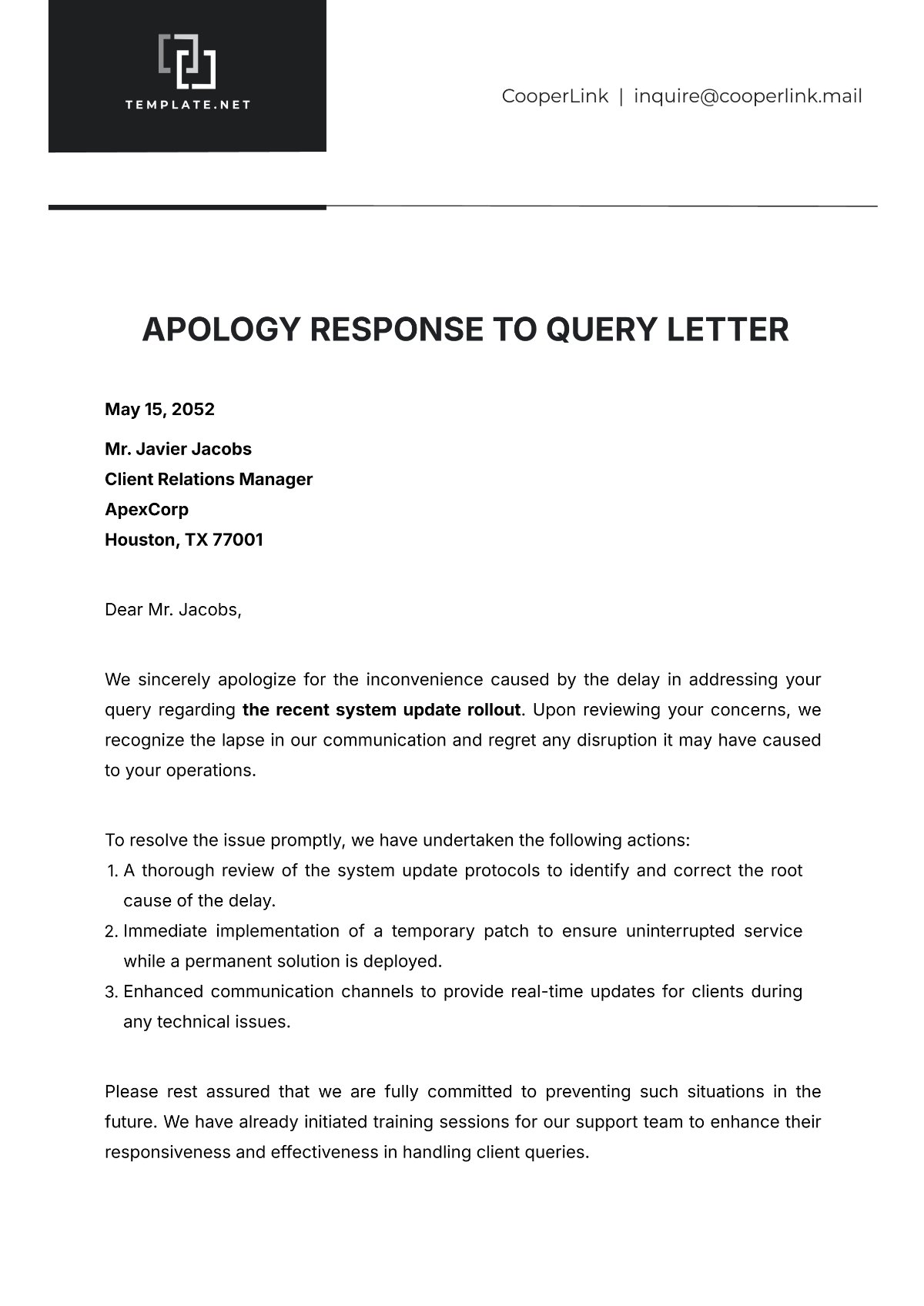
Absolutely! Respond to a query letter promptly and professionally to showcase your expertise. Acknowledge the sender’s inquiry with appreciation and address any specific questions or concerns raised. Keep your response concise while providing valuable information that aligns with the query. Set a positive tone in your reply to foster good communication and potential collaboration. Remember, a well-crafted response to a query letter can lead to fruitful connections and opportunities.

Responding to a Query Letter: Your Comprehensive Guide
Welcome, young writers, to an exciting journey into the world of query letters and how to craft the perfect response. Whether you’re a budding author or a student working on a school project, understanding the art of responding to query letters is essential. In this comprehensive guide, we will delve into the key aspects of responding effectively to query letters.
What is a Query Letter?
Before we dive into how to respond to a query letter, let’s first understand what a query letter is. A query letter is a formal letter that writers send to literary agents, publishers, or magazines to introduce themselves and pitch their writing projects. It is a crucial step in the process of getting your work published.
Now, let’s explore the different components of a query letter:
1. Introduction:
The introduction of a query letter should be engaging and concise. Start by addressing the recipient politely and briefly introducing yourself. Mention why you are reaching out and provide a hook to grab the reader’s attention.
2. Project Description:
In this section, you should provide a brief overview of your writing project. Include the genre, word count, and a captivating summary of your work. Make sure to highlight what makes your project unique and interesting.
3. Author Bio:
Your author bio is where you showcase your credentials and previous writing experience. Mention any relevant publications, awards, or writing-related accomplishments. This helps establish your credibility as a writer.
How to Craft an Effective Response
Now that you’ve sent out your query letter, it’s time to prepare for the responses. Here are some tips on how to craft an effective response:
1. Be Prompt:
When you receive a response to your query letter, try to respond promptly. This shows professionalism and keeps the conversation going. Make sure to thank the recipient for their time and consideration.
2. Personalize Your Response:
Take the time to personalize your response based on the feedback or questions raised in the initial query letter. Address any specific points mentioned by the recipient and show that you have carefully considered their input.
3. Be Gracious and Professional:
Regardless of the nature of the response you receive, always maintain a gracious and professional tone in your reply. Even if the feedback is not what you were hoping for, respond with gratitude for the opportunity and feedback provided.
Handling Rejection
Receiving a rejection can be disheartening, but it’s important to remember that it’s a normal part of the writing and publishing process. Here are some tips for handling rejection:
1. Stay Positive:
While it’s natural to feel disappointed, try to stay positive and keep a growth mindset. Use the feedback from the rejection to improve your writing and submission strategy.
2. Seek Feedback:
If possible, ask for detailed feedback on why your project was rejected. This can provide valuable insights that you can use to strengthen your future submissions.
3. Keep Writing:
Don’t let a rejection deter you from pursuing your writing goals. Keep writing, revising, and submitting your work. Persistence is key in the writing industry.
Congratulations, young writers, you’ve now mastered the art of responding to query letters! Remember, crafting a thoughtful and professional response is essential in building positive relationships with agents, publishers, and editors. Keep honing your writing skills, stay persistent, and never lose sight of your creative vision. Happy writing!
Response To Query Letter For Negligence Of Duty – Sample Reply Letter for Negligence of Duty
Frequently Asked Questions
What should I include in my response to a query letter?
In your response to a query letter, you should start by thanking the sender for reaching out to you. Be sure to acknowledge the content of the query and address any specific questions or requests they may have. Provide a clear and concise answer or solution to their query and offer any relevant information or assistance. Close your response with a professional sign-off.
How long should my response to a query letter be?
Your response to a query letter should be as concise as possible while still addressing all the points raised in the original query. Aim to provide all necessary information and clarification in a clear and straightforward manner without unnecessary details or lengthy paragraphs. A response that is too short may come across as dismissive, while one that is too long may be overwhelming to the recipient.
Should I ask for more information in my response to a query letter?
If there are any ambiguities or uncertainties in the original query that need clarification, it is perfectly acceptable to ask for more information in your response. Politely request specific details or context that will help you better understand the sender’s query and provide a more accurate and helpful response. Avoid making assumptions and seek clarification to ensure effective communication.
Final Thoughts
In conclusion, when crafting a response to a query letter, it is crucial to be prompt, professional, and courteous. Clearly address the sender’s query and provide relevant information. Show enthusiasm and interest in the opportunity presented. Remember, a well-written response to a query letter can leave a positive impression and potentially lead to future collaborations.