







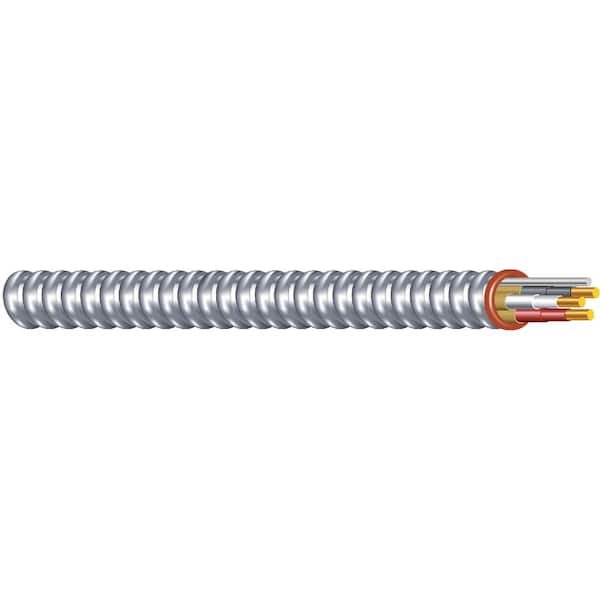
Armored cables are a crucial component in modern electrical installations, offering ultimate protection and reliability. Designed to withstand harsh environments and prevent damage, these cables provide an added layer of security for your electrical systems. Whether you’re looking to enhance safety in industrial settings or ensure a robust connection in residential applications, armored cables have got you covered. In this article, we delve into the world of armored cables, exploring their benefits, uses, and key considerations for installation. Stay tuned to learn everything you need to know about armored cables.

The Wonders of Armored Cable
Unraveling the Secrets of Armored Cable
Welcome, young explorers, to the fascinating world of armored cables! Have you ever wondered how the Internet magically connects us to friends and fun content online? Well, behind the scenes, armored cables play a vital role in keeping us connected. In this adventure, we’ll dive deep into the world of armored cables, uncovering their mysteries and discovering why they are essential for our modern lives.
What is Armored Cable?
Armored cable, also known as flexible conduit, is a structure designed to protect wires and cables from external damage. Picture a tough, protective shield that wraps around vital communication and power lines, keeping them safe from harm. Just like how knights wore armor to protect themselves in battles, armored cables shield our electrical connections from various threats in the environment.
The Anatomy of Armored Cable
An armored cable typically consists of a metal layer, such as steel or aluminum, wrapped around the inner wires and insulation. This metal layer provides strength and durability, offering protection against physical damage, moisture, and other hazards. Inside the metal armor, you’ll find the insulated wires that transmit electricity, data, or signals, depending on the cable’s purpose.
The Importance of Armored Cable
Imagine a world without armored cables. Your internet connection might get disrupted during a thunderstorm, or your favorite TV show might suddenly go off the air. Armored cables ensure that our communication networks remain reliable and resilient, even in challenging conditions. Whether it’s underground, underwater, or high up in the sky, armored cables are there to keep us connected.
Protecting Against the Elements
Armored cables are like superheroes, braving the elements to deliver power and data without fail. They are designed to withstand extreme temperatures, moisture, and even physical impact. Whether it’s rain, snow, or intense heat, armored cables keep on working, ensuring that our devices stay powered and our connections stay strong.
Types of Armored Cables
There are various types of armored cables, each tailored for specific applications. Let’s explore some common types and their unique features:
Steel Armored Cable
Steel armored cable, also known as SWA (Steel Wire Armored) cable, is a robust and durable option widely used in industrial and outdoor settings. The steel armor provides excellent protection against mechanical stress and damage, making it ideal for underground installations or areas prone to physical impact.
Aluminum Armored Cable
Aluminum armored cable is a lightweight yet sturdy alternative to steel armor. It offers good corrosion resistance and is often used in outdoor applications where weight is a concern. Whether it’s powering street lights or transmitting signals in remote locations, aluminum armored cables get the job done reliably.
Applications of Armored Cables
Armored cables are versatile and find use in a wide range of industries and scenarios. Let’s explore some common applications where armored cables play a crucial role:
Construction Sites
Construction sites are buzzing with activity, and safety is a top priority. Armored cables are essential for powering heavy machinery, lighting up work areas, and ensuring smooth communication among the construction crew. Their rugged construction makes them ideal for withstanding the demanding conditions of construction sites.
Underground Installations
When cables need to be buried underground for power distribution or telecommunications, armored cables are the go-to choice. They protect the wires from moisture, soil erosion, and accidental digging, ensuring long-lasting and reliable connections beneath the earth’s surface.
Maintaining Armored Cables
Proper maintenance is key to ensuring the longevity and reliability of armored cables. Here are some tips to keep your armored cables in top shape:
Regular Inspections
Periodically inspect your armored cables for any signs of damage, such as cuts, dents, or exposed wires. Address any issues promptly to prevent further damage and maintain uninterrupted connectivity.
Cable Protection
Avoid placing heavy objects on top of armored cables or subjecting them to excessive bending or twisting. Proper cable management and protection will prolong the life of your armored cables and prevent potential hazards.
The Future of Armored Cables
As technology continues to advance, so do armored cables. Researchers and engineers are constantly innovating to develop armored cables that are lighter, more flexible, and even more durable. From smart grids to futuristic smart homes, armored cables will play a crucial role in shaping the way we live and connect in the future.
So, the next time you plug in your devices or enjoy a seamless video call, remember the silent heroes working behind the scenes – armored cables. They may not wear capes, but they sure know how to keep us connected in this fast-paced digital world.
How To Cut And Strip MC or BX Cables | 3 Easy Options
Frequently Asked Questions
What are the benefits of using armored cable?
Armored cables provide protection against physical damage, such as crushing or impact, making them ideal for harsh environments or where there is a risk of mechanical damage. Additionally, they offer enhanced durability and resistance to moisture and corrosion, ensuring reliable performance over an extended period.
Can armored cables be used for outdoor installations?
Yes, armored cables are suitable for outdoor installations due to their robust construction, which safeguards against environmental elements like UV exposure, moisture, and extreme temperatures. This makes them a preferred choice for applications where cables are exposed to the elements.
How do armored cables differ from regular cables?
Armored cables are distinct from regular cables because they feature an additional layer of protection, such as a metal sheath or interlocking armor, that shields the internal conductors. This extra layer provides increased mechanical strength and resistance to external factors, offering a higher level of safety and reliability.
Final Thoughts
In conclusion, armored cables are essential for ensuring safety and durability in various electrical installations. The added layer of protection provided by the armor enhances the cable’s resistance to damage from external elements and physical stress. This makes armored cables a reliable choice for demanding environments such as industrial settings and outdoor installations. Consider using armored cables to guarantee the long-term performance and safety of your electrical systems.