







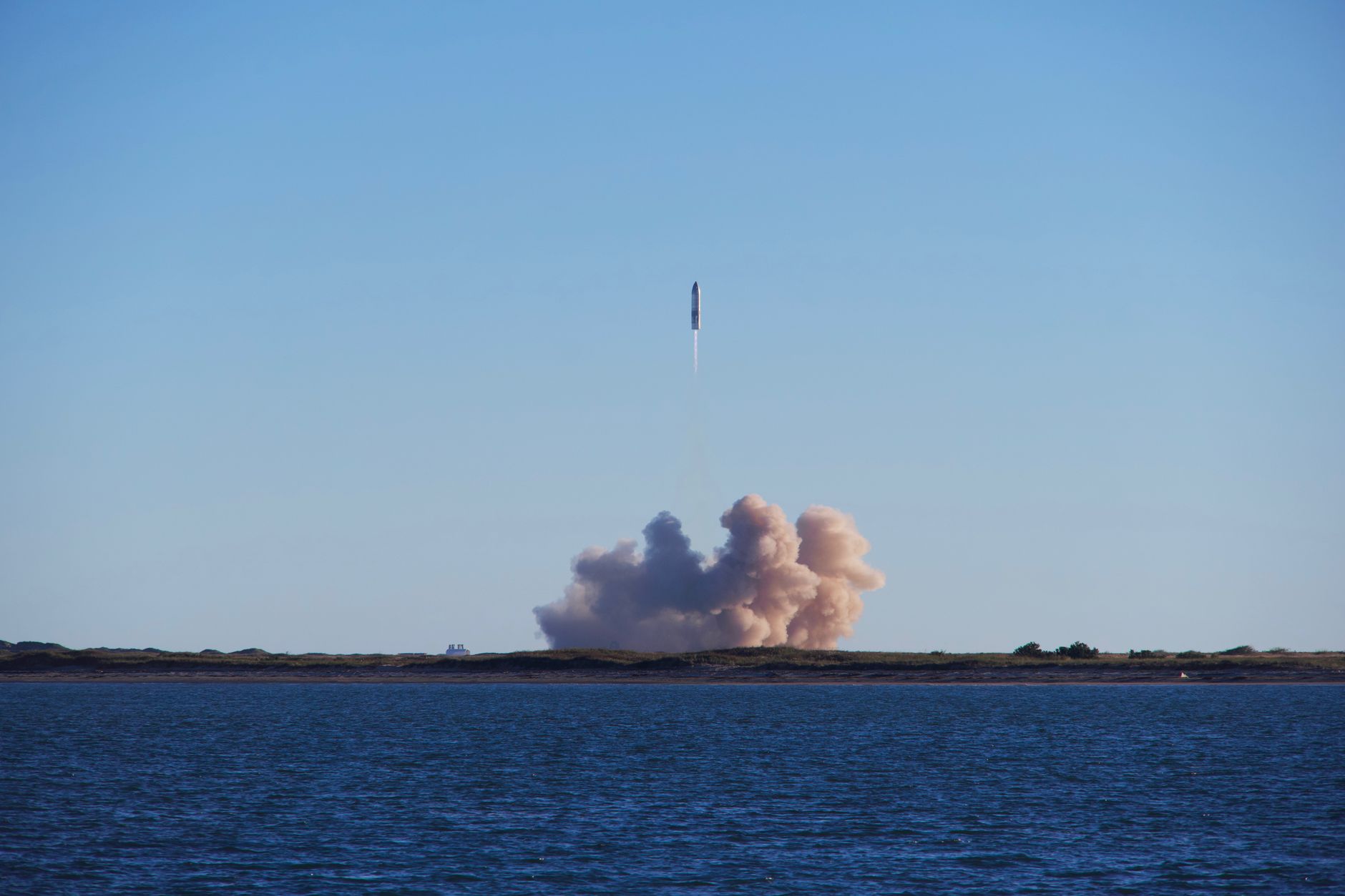
The failed rocket launch has resulted in Amazon losing 40 satellites, marking a significant setback for the company’s space ambitions. This incident raises concerns about the reliability of space missions.
Overview of the Failed Launch
In a significant setback for Amazon, the company faced a catastrophic failure during a recent rocket launch that resulted in the loss of 40 satellites. This failed rocket launch not only represents a financial blow but also disrupts Amazon’s plans to expand its satellite internet service, Project Kuiper.
The launch, which took place on [insert date], aimed to deploy a batch of satellites to enhance global internet coverage. However, shortly after liftoff, the rocket experienced a critical malfunction, leading to its destruction.
Key details regarding the incident include:
- Launch Vehicle: The rocket was designed for reliability, but technical issues arose unexpectedly.
- Impact on Project Kuiper: The loss delays Amazon’s timeline for providing satellite internet services, affecting millions of potential customers.
- Response from Amazon: The company expressed disappointment and is investigating the cause of the failed rocket launch.
As Amazon navigates this challenging situation, the future of its satellite ambitions hangs in the balance, raising questions about the viability of its broader space initiatives.
Impact on Amazon’s Satellite Plans
The recent failed rocket launch has significantly impacted Amazon’s ambitious satellite plans, resulting in the loss of 40 satellites intended for its Project Kuiper initiative. This setback is a considerable blow to the company’s efforts to provide global broadband internet access, particularly in underserved regions.
Amazon’s Project Kuiper aimed to deploy a constellation of thousands of satellites to enhance connectivity. However, the failure of the rocket has raised concerns about the timeline and feasibility of the project. Industry analysts suggest that this incident may delay Amazon’s rollout and give competitors an advantage in the burgeoning satellite internet market.
In response to the failed rocket launch, Amazon has committed to a thorough investigation to understand the underlying issues. The company remains optimistic about eventually achieving its satellite deployment goals, but the incident underscores the inherent risks associated with space ventures.
As Amazon navigates this challenge, stakeholders are keenly observing how the company will adjust its strategy. The implications of this failure could resonate throughout the tech and aerospace industries, as the demand for satellite internet continues to rise.
Reactions from the Space Community
The recent failed rocket launch has sent shockwaves through the space community, with many experts expressing their concerns and disappointment. Industry leaders and enthusiasts alike took to social media to share their thoughts on the incident and its implications.
One prominent aerospace engineer stated, “The loss of 40 satellites is a significant setback for Amazon and its ambitions in the space sector. This failed rocket launch underscores the challenges that even the largest companies face in ensuring the reliability of satellite deployment.”
Others addressed the broader ramifications for satellite internet services. “This could slow down the rollout of high-speed internet in underserved regions,” commented a telecommunications analyst. “Amazon’s project was not just about deploying satellites; it was about connecting millions of people.”
Several organizations are calling for a thorough investigation into the failed rocket launch to prevent similar occurrences in the future. “We need to learn from this mistake,” said a representative from a leading space advocacy group. “Only through rigorous analysis can we improve and ensure the safety of future launches.”
Future of Space Missions After This Incident
The recent failed rocket launch has raised significant concerns about the future of space missions, particularly for companies aiming to expand satellite networks. Experts suggest that this incident could lead to a reevaluation of safety protocols and launch strategies across the industry.
As private companies like Amazon invest heavily in satellite technology, the stakes have never been higher. The loss of 40 satellites not only impacts Amazon’s plans but also sets a precedent that could influence other space ventures. In light of this event, many are calling for increased collaboration between private entities and regulatory agencies to enhance oversight and ensure the reliability of future missions.
Industry analysts indicate that lessons learned from this disaster may lead to advancements in rocket technology and launch processes. Companies may prioritize rigorous testing and contingency planning to mitigate the risks associated with space travel.
In the coming months, discussions surrounding the implications of this failed rocket launch will be critical. Stakeholders must come together to redefine best practices and establish a framework that fosters innovation while maintaining safety in the expanding field of space exploration.
Photo by Forest Katsch on Pexels