









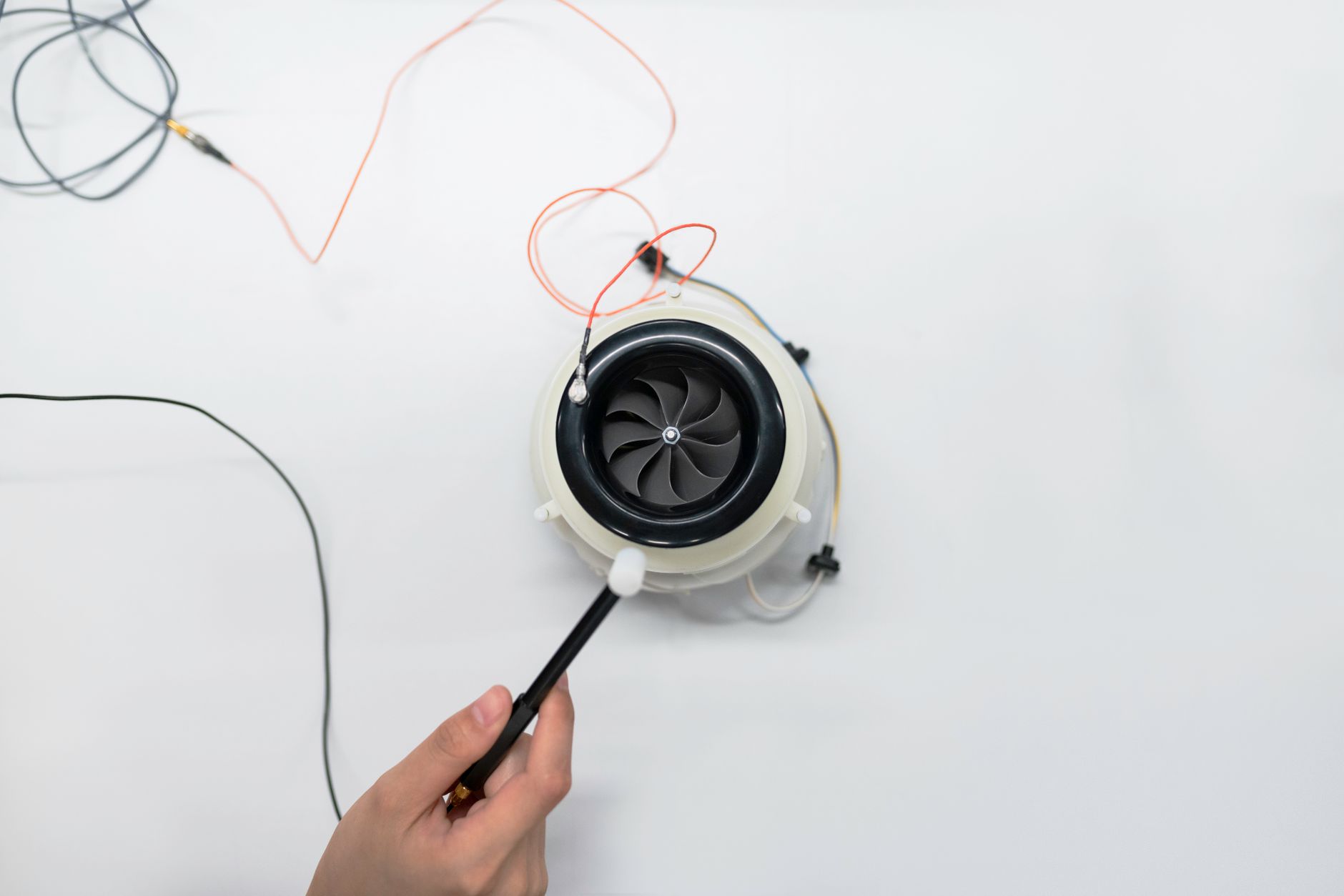
The plasma engine prototype is a groundbreaking development by Rosatom aimed at revolutionizing space travel. This innovative technology promises to significantly reduce travel time to Mars, making 30-60 day missions a possibility.
Introduction to Plasma Engine Technology
The exploration of Mars has long captivated scientists and enthusiasts alike, prompting the need for advanced propulsion technologies. One of the most promising developments in this area is the plasma engine prototype, recently unveiled by Rosatom. This innovative technology aims to revolutionize space travel by significantly reducing travel time to the Red Planet.
The plasma engine operates on the principle of ion propulsion, utilizing charged particles to generate thrust. This method not only offers higher efficiency compared to traditional chemical rockets but also allows for longer operational lifetimes, making it ideal for deep space missions.
With the capability to shorten the duration of Mars missions to as little as 30 to 60 days, the plasma engine prototype holds the potential to facilitate more frequent and sustainable exploration of Mars. As space agencies and private firms look to the future of interplanetary travel, this technology could be a game changer, providing the necessary speed and reliability for ambitious missions.
Ultimately, the success of the plasma engine prototype could pave the way for humanity’s next giant leap beyond Earth.
How Does the Plasma Engine Work?
The plasma engine prototype operates on the principle of ion propulsion, which utilizes charged particles to generate thrust. Unlike traditional rocket engines that burn fuel, this innovative technology expels plasma, a highly energized state of matter, to propel spacecraft more efficiently. The core components of the plasma engine include:
- Ions: Atoms that have been stripped of electrons, giving them a positive charge.
- Electrodes: These components create electric fields that accelerate ions.
- Magnetic Fields: Used to contain and direct the plasma flow, enhancing efficiency.
When the plasma engine prototype is activated, it ionizes a propellant, such as xenon, and accelerates the ions through the electrodes. This process allows for a continuous and steady thrust, making it ideal for long-duration space missions, such as those to Mars. The potential to reduce travel times to as little as 30 to 60 days is a significant advancement, positioning the plasma engine prototype as a viable solution for future interplanetary exploration.
Potential Benefits for Mars Missions
The unveiling of the plasma engine prototype by Rosatom has sparked significant interest in its potential benefits for Mars missions. This innovative technology promises to revolutionize space travel, particularly for journeys to the Red Planet.
One of the most compelling advantages of the plasma engine prototype is its efficiency. Utilizing advanced propulsion methods, this engine can significantly reduce travel time to Mars, with estimates suggesting missions could be completed within 30 to 60 days. This is a substantial improvement over traditional chemical propulsion systems, which often require several months to reach Mars.
Additionally, the plasma engine’s design allows for higher thrust-to-weight ratios, enabling spacecraft to carry more payload. This capability could facilitate the transport of essential supplies, scientific instruments, and even crewed missions with greater ease.
Moreover, the sustainability of plasma technology could pave the way for long-term human presence on Mars, as it supports more frequent missions and reduces costs associated with space travel.
In summary, the plasma engine prototype may emerge as a crucial tool for advancing human exploration of Mars.
Challenges Facing Plasma Engine Development
The development of the plasma engine prototype is not without its hurdles. Engineers and scientists face several challenges that must be addressed to ensure its viability for future Mars missions.
- Technical Complexity: The intricate design of plasma engines requires advanced materials and precision engineering. This complexity can lead to longer development times and increased costs.
- Efficiency Testing: Current prototypes must undergo rigorous testing to evaluate their efficiency in various space conditions. This includes high-temperature environments that could impact performance.
- Power Supply: Plasma engines require substantial energy to function effectively. Developing a reliable power source that can sustain long-duration missions is critical.
- Regulatory Approvals: Any new propulsion technology must meet stringent safety and regulatory standards, which can delay deployment and limit testing opportunities.
- Funding and Resources: Securing adequate funding for the development and testing phases can be challenging, especially in a competitive aerospace market.
Addressing these challenges is essential for determining if the plasma engine prototype is indeed the best solution for Mars missions.
Comparative Analysis with Traditional Engines
The development of the plasma engine prototype presents a compelling alternative to traditional rocket engines, particularly for missions to Mars. Unlike conventional chemical propulsion systems, which rely on the combustion of propellants, plasma engines utilize ionized gases to generate thrust. This method not only enhances fuel efficiency but also allows for longer operational durations, potentially reducing travel time to Mars.
In comparing the two technologies, several key factors emerge:
- Efficiency: Plasma engines can achieve higher specific impulse, translating to greater fuel efficiency and longer mission durations.
- Thrust-to-Weight Ratio: While traditional engines provide immediate thrust, plasma engines often have a lower thrust-to-weight ratio, which may affect launch phases.
- Operational Timeframe: The plasma engine prototype could significantly shorten mission timelines, enabling 30 to 60-day journeys to Mars.
- Complexity and Cost: Development and testing of plasma technology may introduce higher upfront costs compared to established chemical propulsion systems.
Ultimately, the plasma engine prototype could redefine the landscape of interplanetary travel, positioning itself as a viable solution for future Mars missions.
Future of Space Exploration
The future of space exploration may be significantly influenced by advancements in propulsion technologies, particularly with the recent unveiling of the plasma engine prototype by Rosatom. This innovative engine design aims to reduce travel time to Mars to as little as 30 to 60 days, a dramatic improvement over traditional propulsion systems.
As space agencies and private companies look to establish a sustainable human presence on Mars, the plasma engine prototype could play a crucial role. Its ability to provide efficient thrust over long durations makes it a promising option for deep space missions. However, successful implementation will depend on overcoming various technological and engineering challenges.
Key considerations for the future include:
- Testing and validation: Extensive testing will be required to ensure reliability in space conditions.
- Integration with spacecraft: The engine must be compatible with existing spacecraft designs.
- Funding and investment: Continued financial support is necessary to advance plasma engine development.
Ultimately, the plasma engine prototype could redefine our approach to interplanetary travel, making Mars missions more feasible than ever before.
Conclusion and Next Steps
In conclusion, the plasma engine prototype represents a significant advancement in the quest for efficient and effective propulsion systems for Mars missions. With its potential to drastically reduce travel time, the prototype could enable missions that reach the Red Planet in as little as 30 to 60 days, a remarkable improvement over traditional propulsion methods.
However, while the technology shows great promise, several challenges remain before it can be fully realized. Ongoing research and development are crucial to address issues related to efficiency, reliability, and integration with existing spacecraft systems.
Next steps for the plasma engine prototype will involve rigorous testing and validation to ensure it meets the demands of deep-space travel. Collaborative efforts among agencies and private companies could accelerate advancements in this field, paving the way for future missions.
As we look ahead, the success of the plasma engine prototype could not only revolutionize Mars exploration but also open new frontiers for human and robotic missions throughout the solar system.
Photo by ThisIsEngineering on Pexels