




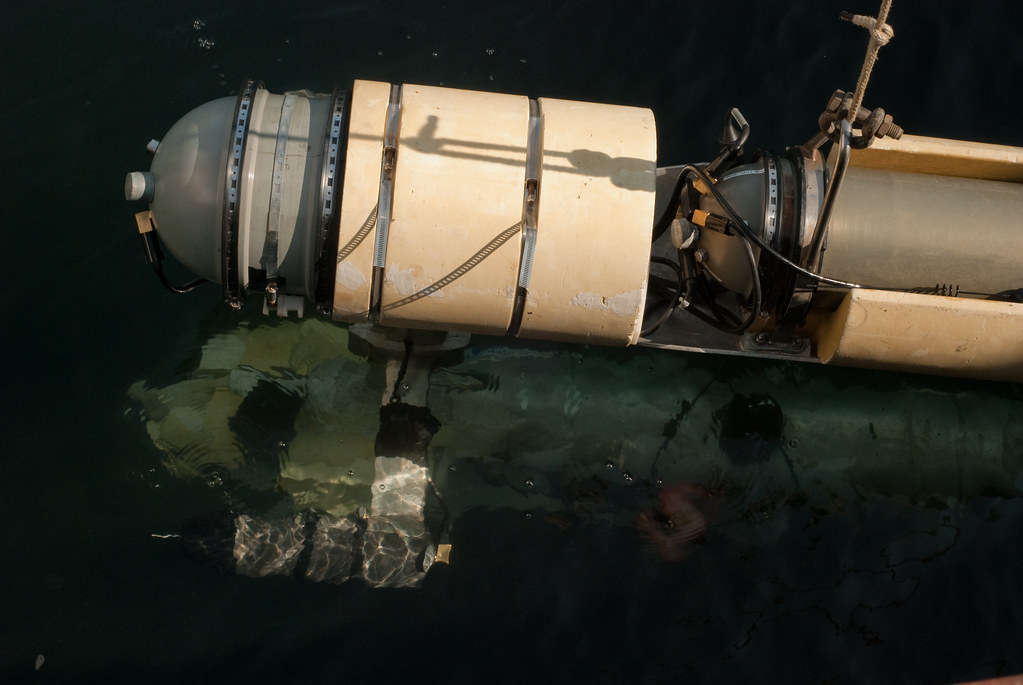
Docking test delays are a significant concern for the mission timeline, potentially affecting critical space exploration objectives.
Understanding Docking Test Delays
In recent developments, docking test delays have emerged as a significant concern for space mission planners. These delays can have far-reaching implications, affecting not only the immediate testing schedule but also the overall timeline of the mission.
The docking test is a crucial phase in space missions, as it ensures that spacecraft can successfully connect and communicate in orbit. When these tests are postponed, several factors come into play:
- Resource Allocation: Delays often lead to a reallocation of resources, which can strain budgets and personnel.
- Technical Adjustments: Engineers and scientists may need to recalibrate equipment, further extending the timeline.
- Mission Objectives: A shift in schedule can jeopardize other mission objectives that depend on timely docking procedures.
As stakeholders evaluate the risks associated with these setbacks, it becomes clear that addressing docking test delays is essential for maintaining the integrity and success of upcoming missions.
Impact on Upcoming Missions
The recent docking test delays have raised significant concerns regarding the impact on upcoming missions. As spacecraft rely heavily on successful docking operations for various phases of their journey, any postponements can lead to cascading effects on mission schedules.
Experts warn that these delays could result in:
- Increased Costs: Extended timelines often lead to additional funding requirements, straining budgets.
- Resource Allocation: Teams may need to reallocate resources, impacting other projects and missions.
- Schedule Conflicts: Overlapping mission timelines could complicate logistics and support systems.
- Technological Obsolescence: Prolonged delays risk the relevancy of mission technology, requiring updates or redesigns.
As the industry grapples with these challenges, stakeholders are urged to prioritize solutions to mitigate the effects of docking test delays, ensuring that future missions stay on track and achieve their intended objectives.
Reasons Behind the Delays
The recent docking test delays have raised concerns among space agencies and mission planners, as they can significantly affect the overall mission timeline. Several factors have contributed to these unexpected setbacks:
- Technical Issues: Complex systems and equipment often face unforeseen malfunctions that require extensive troubleshooting before proceeding.
- Supply Chain Disruptions: Recent global supply chain challenges have delayed the availability of critical components needed for testing.
- Weather Conditions: Unfavorable weather has forced teams to postpone tests, particularly in sensitive environments where precision is crucial.
- Regulatory Approvals: Lengthy procedures for obtaining necessary regulatory clearances can stall progress, impacting the scheduled timeline.
As a result of these delays, mission teams face increased pressure to adapt their schedules and mitigate the cascading effects on future launches.
Expert Opinions on the Situation
Experts in the field are voicing their concerns regarding the recent docking test delays and their potential repercussions on future missions. According to Dr. Emily Carter, a leading aerospace engineer, “These delays could set back our entire schedule, affecting not only current projects but also the planning stages of upcoming missions.”
Another prominent figure, Professor James Liu, highlighted the cascading effects of these setbacks. “When a critical test is postponed, it often leads to a domino effect, impacting various components of the mission timeline,” he stated.
Industry analysts are also weighing in, suggesting that the delays could result in increased costs. “Funding is always a concern, and extended timelines usually mean additional financial strain,” noted Sarah Johnson, a space policy expert.
As stakeholders grapple with these challenges, the consensus remains clear: addressing the causes of the docking test delays is essential for ensuring mission success.
Potential Solutions to Mitigate Delays
As the challenges surrounding docking test delays continue to mount, experts have proposed several potential solutions to mitigate their impact on mission timelines. Addressing these delays is crucial to ensure the success of upcoming space missions.
One proposed solution is to enhance collaboration between engineering teams and project managers. By fostering a more integrated approach, teams can identify issues earlier in the process and streamline testing procedures. Additionally, implementing advanced simulation technologies could reduce the need for physical tests, allowing for quicker iterations and adjustments.
Furthermore, increasing investment in research and development of alternative docking technologies may provide long-term benefits. This could lead to more efficient designs that minimize delays in future missions. Establishing a robust contingency plan is also essential, as it prepares teams for unexpected setbacks and allows for rapid response strategies.
Ultimately, a combination of these strategies may help alleviate the persistent challenges posed by docking test delays.
Historical Context of Similar Delays
Throughout the history of space exploration, docking test delays have periodically hindered mission timelines, leading to significant challenges for space agencies. In the early 2000s, the International Space Station (ISS) faced similar setbacks due to unforeseen technical issues during docking procedures. These delays not only pushed back scheduled missions but also resulted in increased costs and resource allocation challenges.
Additionally, the Space Shuttle program experienced notable delays when testing new docking systems, which ultimately affected the launch schedules of various payloads. The ramifications of such delays extend beyond immediate scheduling; they can disrupt international collaboration and research efforts that rely on timely access to the ISS.
As missions become increasingly complex, the lessons learned from historical docking test delays emphasize the importance of thorough testing and contingency planning to mitigate future risks. These past experiences serve as a reminder of the critical need for vigilance and preparation in space exploration endeavors.
Future of Space Exploration
The future of space exploration hangs in the balance as docking test delays threaten to disrupt carefully planned mission timelines. As agencies like NASA and private companies push the boundaries of technology, any setbacks can have cascading effects on subsequent projects.
Experts warn that these delays could not only postpone launches but also affect research opportunities and international collaborations. The implications stretch beyond individual missions, potentially altering the trajectory of space exploration for years to come.
As the space community grapples with these challenges, there is hope that innovative solutions and adaptive strategies can help mitigate the impact of delays. Increased investment in testing infrastructure, improved communication between teams, and enhanced project management practices are some of the avenues being explored.
Ultimately, the response to these delays will shape the future of human presence in space, determining how swiftly we progress toward ambitious goals such as Mars exploration and beyond.
Conclusion and Next Steps
In conclusion, the ongoing docking test delays pose significant risks to the overall mission timeline, potentially affecting the future of space exploration. As agencies and companies strive to innovate and push boundaries, it becomes essential to address these challenges promptly.
The next steps involve a multi-faceted approach, including:
- Intensified Coordination: Agencies must enhance collaboration to streamline testing processes.
- Resource Allocation: Investing in advanced technologies and skilled personnel can help mitigate delays.
- Regular Assessments: Implementing frequent reviews of project milestones will ensure timely identification of potential setbacks.
- Stakeholder Engagement: Keeping all parties informed and involved can foster a united front in tackling challenges.
By addressing these critical areas, stakeholders aim to not only overcome current delays but also secure a more reliable and efficient approach to future missions.
By Clara S. via Openverse