







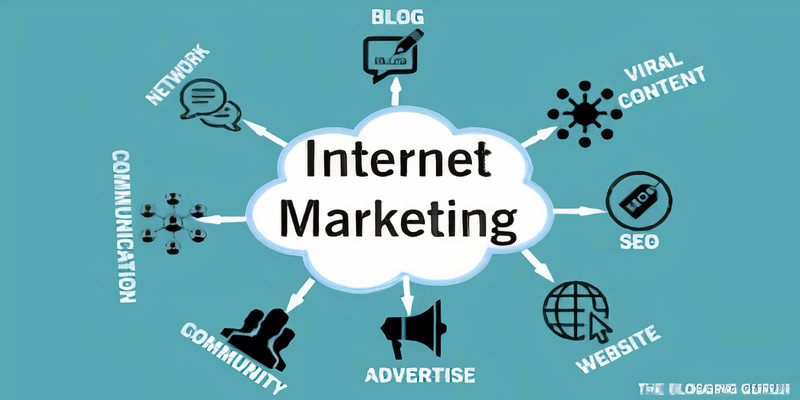
In the ever-evolving landscape of digital marketing, email marketing continues to stand out as a powerful tool for businesses to connect with their audience and drive results. As we navigate the era of Internet marketing services, it’s essential to explore how email marketing remains not only relevant but also increasingly effective in achieving marketing goals.
The Evolution Of Email Marketing
Email marketing has changed a lot since it began. From plain text messages to highly personalized, visually appealing campaigns, it has adapted to meet the changing needs and preferences of consumers. In the era of Internet marketing services, this evolution has been accelerated, making email marketing an indispensable component of any comprehensive digital marketing strategy.
Integration And Automation
One of the key advantages of email marketing in the modern era is its seamless integration with Webolutions Internet Marketing Services. Businesses can now integrate email marketing with their customer relationship management (CRM) systems, e-commerce platforms, and analytics tools. This integration allows for more targeted and automated campaigns, ensuring that the right message reaches the right audience at the right time.
Automation, in particular, has transformed email marketing. Marketers can set up automated email sequences triggered by user actions or specific events, such as website visits, purchases, or subscription sign-ups. These automated workflows help businesses nurture leads, onboard new customers, and re-engage inactive subscribers, all without manual intervention.
Personalization And Segmentation
In the era of Internet marketing services, personalization has become paramount. Email marketing platforms now offer advanced segmentation and personalization capabilities that enable businesses to create highly relevant and tailored content. By analyzing user behavior and demographics, marketers can send personalized recommendations, product offers, and content that resonates with each recipient.
Personalized emails not only improve open and click-through rates but also enhance the overall customer experience. Customers are more likely to engage with brands that understand their preferences and needs, leading to increased loyalty and conversions.
Data-Driven Decision Making
Internet marketing services have provided email marketers with access to a wealth of data and analytics. Marketers can track various metrics, such as open rates, click-through rates, conversion rates, and revenue generated from email campaigns. This info lets us make decisions based on facts and keep improving things.
A/B testing, for example, has become a standard practice in email marketing. Marketers can experiment with different subject lines, email content, images, and call-to-action buttons to determine what resonates best with their audience. By analyzing the results, they can refine their strategies for better performance.
Compliance And Deliverability
With the rise of Internet marketing services, email marketing has also faced increased scrutiny and regulation. To ensure compliance with data protection laws such as GDPR, marketers must obtain explicit consent from recipients before sending commercial emails. This shift toward permission-based marketing has improved the quality of email lists and reduced the risk of spam complaints.
Moreover, email service providers have implemented advanced algorithms and filters to assess the quality of incoming emails. Deliverability is crucial, and marketers must adhere to best practices to avoid spam folders and reach subscribers’ inboxes. This includes sending relevant content, maintaining a clean email list, and monitoring engagement metrics.
The Future Of Email Marketing
As we continue to embrace Internet marketing services, the future of email marketing holds even more promise. Artificial intelligence (AI) and machine learning will play a significant role in enhancing personalization and automation. Predictive analytics will enable marketers to anticipate customer behavior and tailor emails accordingly.
Interactive email experiences, such as embedded forms, surveys, and product catalogs, will further engage recipients and drive conversions. Video in email is also on the horizon, providing an immersive way to convey messages and showcase products or services.
Conclusion
In the era of Internet marketing services, email marketing remains a vital tool for businesses looking to connect with their audience, nurture leads, and drive conversions. Its evolution, integration with other services, personalization capabilities, data-driven approach, compliance measures, and promising future all contribute to its enduring relevance and effectiveness.
As businesses continue to adapt to the digital landscape, savvy marketers will recognize that email marketing is not just surviving—it’s thriving as an essential component of a comprehensive Internet marketing strategy. By harnessing the power of email marketing in this era, businesses can achieve their marketing goals and deliver value to their customers like never before.