







human adaptation farming has unveiled genomic signatures that highlight our species’ transition from foraging to farming. This research sheds light on how we have evolved alongside our changing environment.
Understanding Human Adaptation
Human adaptation farming has emerged as a crucial aspect of our understanding of how societies transition from foraging to agriculture. This transition marks a significant shift in lifestyle, impacting nutrition, social structures, and population growth.
Research highlights several key benefits of this adaptation:
- Increased Food Security: The shift to farming has allowed for a more stable food supply, reducing the risks associated with hunting and gathering.
- Population Growth: With a reliable food source, human populations grew, leading to larger communities and the development of complex societies.
- Technological Advancements: The demands of farming have spurred innovations in tools and techniques, enhancing productivity and efficiency.
- Cultural Development: As communities settled, there was a rise in cultural practices, arts, and social organization, enriching human experience.
- Genetic Evolution: Studies have shown that human genomes exhibit signatures of adaptation to new dietary practices associated with farming, highlighting our biological response to this lifestyle change.
Understanding human adaptation farming not only reveals the past but also informs future agricultural practices and sustainability efforts.
The Foraging-to-Farming Transition
The transition from foraging to farming represents a significant milestone in human history, marking a shift in lifestyle that fundamentally altered societal structures. This change was not merely a shift in food procurement methods but also a profound adaptation of humans to new environmental and social contexts.
Recent studies highlight how genomic signatures reflect the adaptations that occurred during this period. The transition enabled early human populations to develop new strategies for survival, leading to the establishment of sedentary communities and the cultivation of crops.
- Nutritional Benefits: Farming allowed for a more stable food supply, enhancing overall nutrition and food variety.
- Population Growth: With increased food availability, human populations expanded, leading to larger, more complex societies.
- Cultural Developments: The stability provided by farming fostered advancements in technology, art, and governance.
These adaptations not only illustrate the resilience of human beings but also underscore the importance of human adaptation farming as a crucial element in the evolution of civilization. As people learned to manipulate their environment, they laid the groundwork for modern agriculture and societal organization.
Genomic Signatures Explained
Genomic signatures are crucial for understanding how human adaptation farming has influenced our evolution. These genetic markers provide insights into the physiological and metabolic changes that occurred during the transition from foraging to farming. By analyzing the genomes of ancient and modern populations, researchers have identified specific adaptations that enabled early farmers to thrive in new environments.
One significant genomic signature relates to the digestion of starch and lactose. As agricultural practices expanded, populations that incorporated more starchy crops developed genetic variations that enhanced their ability to process these carbohydrates efficiently. Similarly, the domestication of animals led to adaptations for lactose tolerance in certain groups, allowing for greater dietary diversity.
Furthermore, these adaptations are not uniform; they vary across different geographical regions, reflecting local farming practices and available resources. This genetic diversity underscores the complex interplay between human adaptation farming and environmental factors. By exploring these genomic signatures, we can better understand the evolutionary pathways that shaped modern human populations and their agricultural practices.
- Adaptations in starch digestion
- Lactose tolerance development
- Geographical variations in farming practices
Implications of Recent Research
Recent research has unveiled significant implications regarding human adaptation farming. Scientists have discovered genomic signatures that highlight the evolutionary changes humans underwent during the transition from foraging to farming. This shift not only transformed diets but also had a profound impact on social structures and population dynamics.
One of the key findings indicates that certain genetic adaptations facilitated the digestion of starches and other cultivated crops. These adaptations suggest a direct link between agricultural practices and human biology, showcasing how closely intertwined our evolution is with farming methods.
Moreover, this research points to the potential for increased resilience in populations that embraced farming early on. The ability to cultivate crops may have allowed societies to support larger populations, leading to the development of more complex social systems.
As we continue to study these genomic signatures, several benefits emerge:
- Enhanced Dietary Diversity: Improved nutrition through a variety of cultivated plants.
- Social Cooperation: Increased collaboration in agricultural practices.
- Population Growth: Sustained food sources supporting larger communities.
Key Findings from the Study
Recent studies have highlighted several key findings regarding human adaptation farming and its effects on our species. The research reveals that the transition from foraging to farming has left significant genomic signatures in human DNA, indicating evolutionary changes that have allowed populations to thrive in new agricultural environments.
- Increased Lactase Persistence: One of the most notable adaptations is the rise in lactase persistence among populations that adopted dairy farming, allowing them to digest lactose into adulthood.
- Enhanced Disease Resistance: Genetic adaptations have also been linked to improved resistance to diseases prevalent in sedentary agricultural communities, showcasing how farming has shaped our immune systems.
- Nutritional Adaptations: Changes in diet due to farming practices have led to variations in genes associated with metabolism, which may influence how different populations respond to modern dietary habits.
- Social Structures: The shift to farming has impacted social dynamics, with evidence suggesting that genetic factors may influence social behaviors and reproductive strategies within these communities.
These findings underscore the profound impact of human adaptation farming on our genetics and social organization, reflecting a remarkable journey through the ages.
Future Directions in Genomic Research
Future research in genomic studies aims to explore further the human adaptation farming phenomenon, particularly how it shapes not only agricultural practices but also human health and genetics. As scientists delve deeper into the genetic signatures associated with the transition from foraging to farming, several promising avenues are emerging.
Researchers are focusing on:
- Identifying specific genes: Understanding which genes have adapted in response to dietary changes can provide insights into human resilience and adaptability.
- Exploring environmental interactions: Investigating how various environmental factors influence genomic adaptations will enhance our understanding of human evolution.
- Studying diverse populations: Analyzing genetic variations across different geographic regions will help reveal the nuances of adaptation in varied farming contexts.
- Utilizing advanced technologies: Innovations in genomic sequencing and data analysis will facilitate more comprehensive studies, potentially leading to breakthroughs in agricultural science.
Overall, the future directions in genomic research hold the promise of unlocking new knowledge that can benefit not only our understanding of human adaptation but also improve agricultural sustainability and food security globally.
Human adaptation farming has been shown to increase crop resilience in the face of climate change. Additionally, human adaptation farming practices often lead to improved soil health and biodiversity.
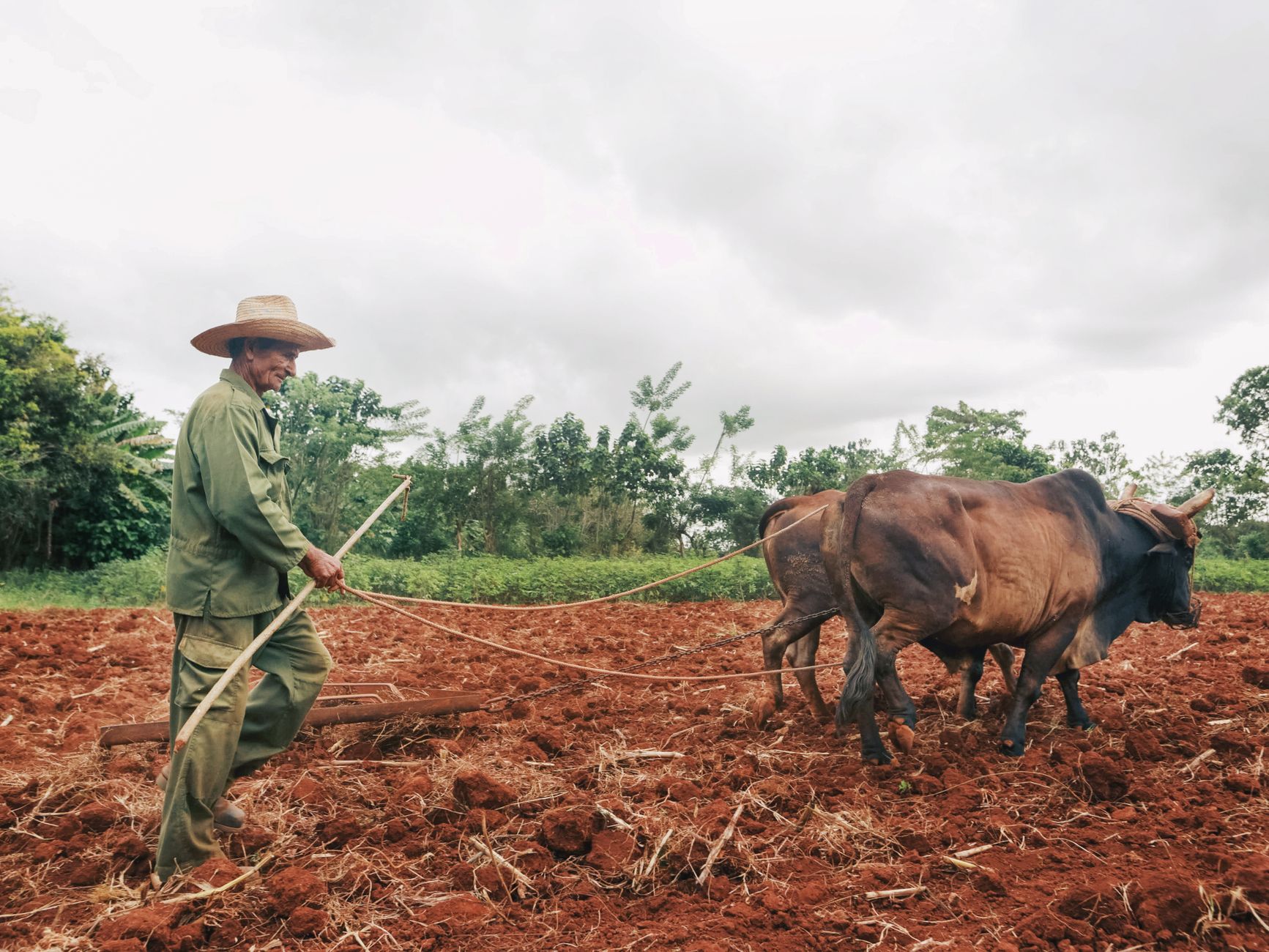
Photo by Mehmet Turgut Kirkgoz on Pexels
References
Related reading
Gemini Tasks rollout: Is this the best free app launch ever? · 240Hz phone display: Is it the best upgrade yet? · KiteFishAI language model: Best Proven AI Tool for Enterprises