









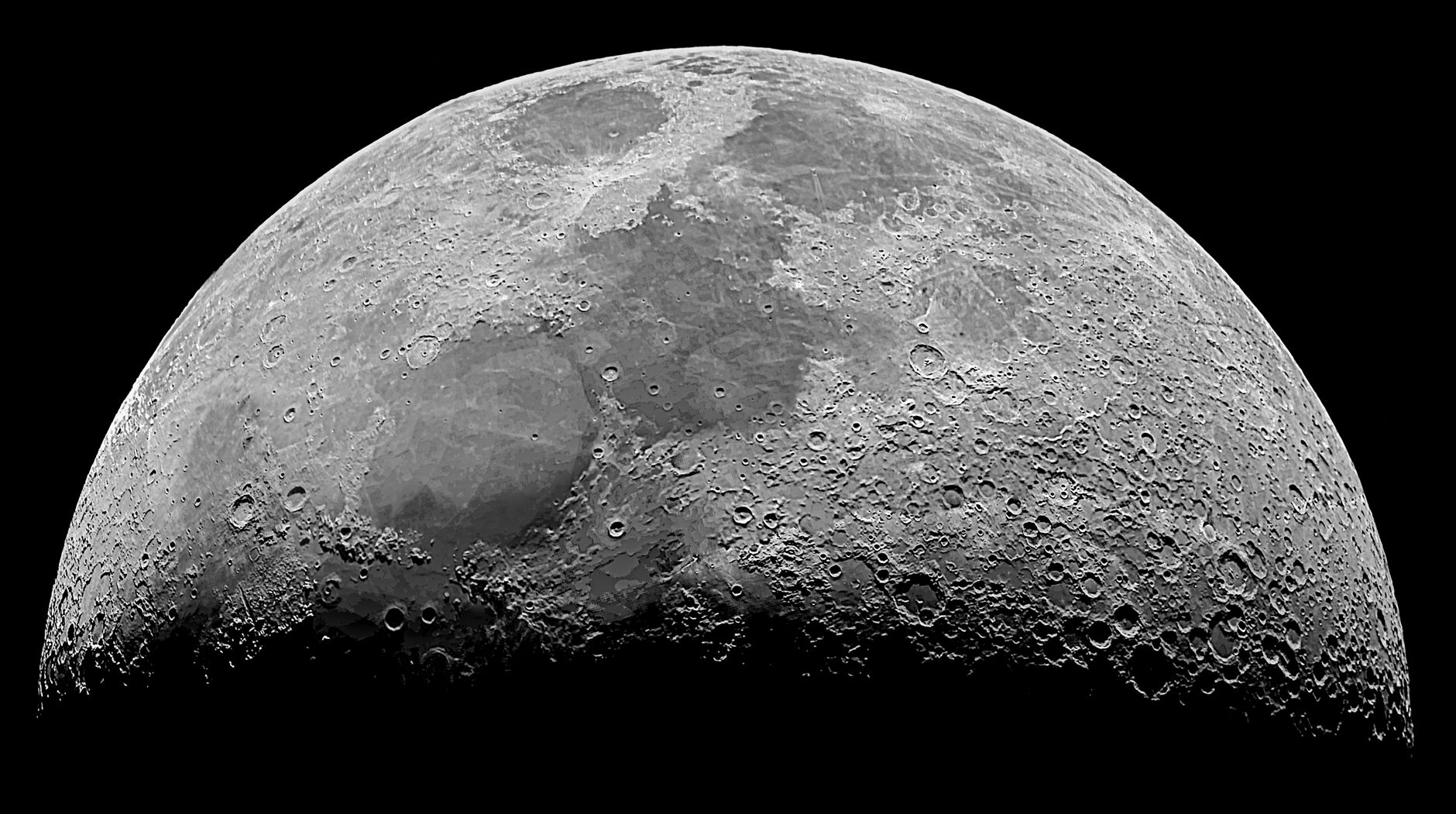
The moon crater discovery has unveiled a massive crater that exceeds the size of the Roman Colosseum, showcasing NASA’s remarkable findings.
What is the Moon Crater Discovery?
The recent moon crater discovery has captured the attention of scientists and space enthusiasts alike. NASA’s latest findings reveal a crater on the lunar surface that is notably larger than the Roman Colosseum, showcasing the Moon’s dynamic geological history. This impressive feature was identified by a spacecraft equipped with advanced imaging technology, allowing researchers to analyze the crater’s size and depth in unprecedented detail.
Scientists believe that the formation of this crater is relatively recent in geological terms, possibly resulting from asteroid impacts. The moon crater discovery offers valuable insights into the processes that have shaped the Moon over billions of years.
- The crater’s dimensions suggest significant energy was involved in its formation.
- Data collected may help to understand the Moon’s evolution and its interactions with solar and cosmic phenomena.
- This finding highlights the importance of continued lunar exploration and study.
As researchers analyze the data, they hope to uncover more about the Moon’s history and its potential for future exploration. The moon crater discovery is just one of many exciting developments in our understanding of the universe.
How NASA Made This Discovery
The recent moon crater discovery was made possible through the use of advanced imaging technology aboard NASA’s spacecraft. This cutting-edge equipment allows scientists to capture high-resolution images of the lunar surface, revealing features previously hidden from view.
To understand the significance of the findings, NASA employed a multi-step approach:
- Data Collection: The spacecraft orbited the Moon, gathering extensive data over several months to ensure a comprehensive analysis of geological features.
- Image Processing: Scientists processed the raw images, enhancing them to identify craters and other formations accurately.
- Comparative Analysis: By comparing the new images with existing lunar maps, researchers pinpointed the location and size of the newly discovered crater.
- Collaboration: Teams of scientists and engineers worked together, sharing insights to interpret the data effectively.
This meticulous process not only led to the identification of a crater larger than the Roman Colosseum but also provided valuable information about the Moon’s geological history and impact events over time.
Significance of the Moon Crater
The recent moon crater discovery holds significant implications for our understanding of the lunar surface and its history. This discovery not only enriches our knowledge of the moon’s geological processes but also offers insights into the broader solar system.
Understanding the formation and characteristics of such a large crater, which is reported to be bigger than the Roman Colosseum, helps scientists:
- Assess Impact History: The size and shape of the crater provide clues about past impacts, shedding light on how often celestial bodies collide with the moon.
- Study Geological Evolution: Analyzing the layers of materials within the crater can reveal the moon’s geological changes over millions of years.
- Support Future Missions: Identifying such features is crucial for planning future lunar missions, as they may contain resources or serve as landmarks.
- Enhance Scientific Collaboration: This discovery encourages collaboration among space agencies and researchers, fostering a global effort in lunar exploration.
In summary, the moon crater discovery not only captures our imagination but also propels scientific inquiry into the moon’s past, paving the way for future explorations.
Comparing Crater Sizes: Colosseum vs. Moon
The recent moon crater discovery has sparked comparisons between its size and iconic structures on Earth. One of the most striking comparisons is with the Roman Colosseum, a marvel of ancient architecture.
The Colosseum, renowned for its grandeur, measures approximately 189 meters in length and 156 meters in width. In contrast, the newly discovered moon crater exceeds these dimensions significantly. Scientists estimate the crater’s diameter to be around 300 meters, making it an impressive geological feature.
This discovery not only underlines the vastness of lunar geography but also raises questions about the processes that led to its formation. Researchers are particularly interested in understanding the impact events that created such a large crater and how they compare to similar features found on Earth.
Furthermore, the analysis of these moon craters can provide insights into the history of our solar system. By examining the size and distribution of craters, scientists can infer the age of the lunar surface and the frequency of impacts over time. The moon crater discovery thus serves as a crucial piece of the puzzle in piecing together the history of celestial bodies.
Future Implications for Space Exploration
The recent moon crater discovery has far-reaching implications for future space exploration efforts. As scientists continue to analyze the data collected by NASA’s spacecraft, several key areas of interest have emerged.
- Resource Utilization: The size and composition of the newly discovered crater may indicate the presence of valuable resources such as water ice, which is crucial for long-term lunar missions.
- Geological Understanding: Studying the crater’s formation can provide insights into the Moon’s geological history, helping scientists understand the processes that shaped not only the Moon but also other celestial bodies.
- Human Exploration: The data from the moon crater discovery could inform future missions, guiding astronauts to optimal landing sites and ensuring safer exploration of the lunar surface.
- Technological Advancements: The challenges posed by such a significant crater may drive innovation in spacecraft design and exploration technology, ultimately benefiting broader space initiatives.
As researchers continue to explore the implications of this significant finding, the potential for new discoveries and advancements in space exploration remains vast.
Photo by Micotino on Pexels
References
Travel to Saudi Arabia: US warns against risky trips · One UI 9 Update: Is It the Best for Galaxy S26 Owners? · iOS 27 update: Best Tips for a Smooth Upgrade Experience