







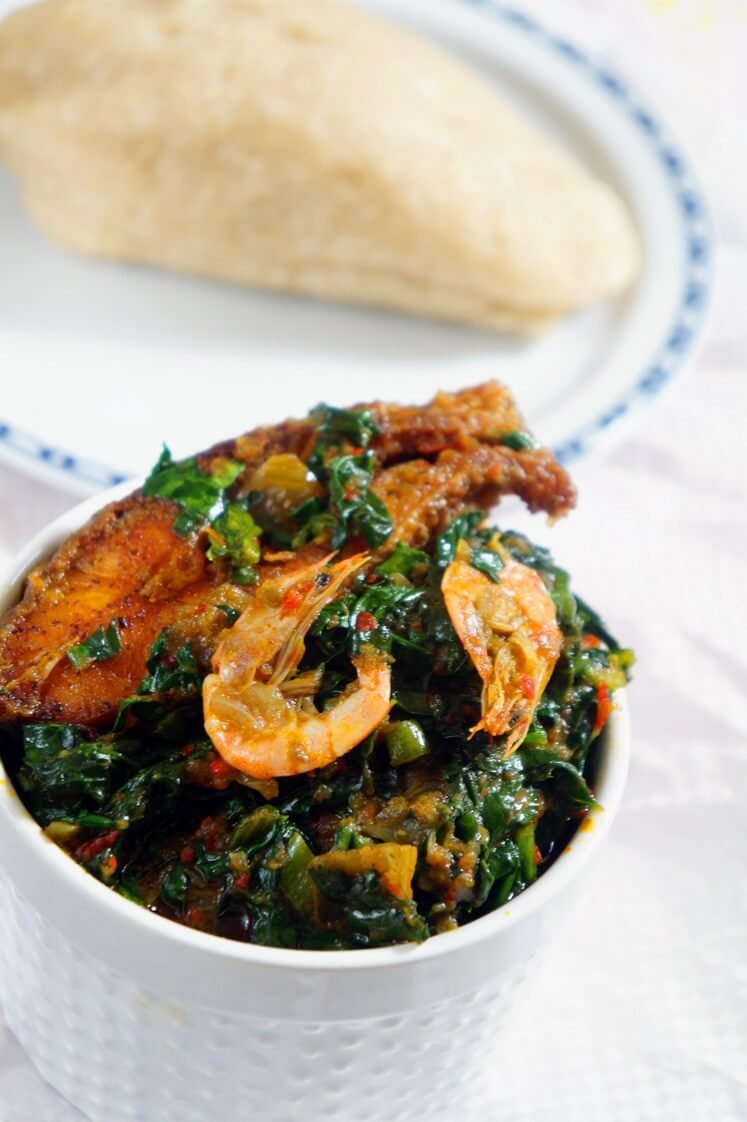
Nigerian vegetable soup is a hearty and flavorful dish that satisfies both the soul and the stomach. Packed with a medley of vibrant vegetables, aromatic spices, and tender protein, this traditional Nigerian delicacy never fails to impress. From the first spoonful to the last, each bite is a burst of rich, savory goodness that leaves you craving more. Whether served with fufu, rice, or enjoyed on its own, this wholesome soup is a true celebration of Nigerian culinary excellence. Dive into the world of Nigerian vegetable soup and experience a taste of Africa like never before.

Nigerian Vegetable Soup: A Flavorful Journey Through Tradition and Health
Welcome to the vibrant world of Nigerian cuisine, where flavors dance and colors pop! Today, we’re diving deep into the heart of Nigerian cooking, exploring one of its most beloved dishes – Nigerian Vegetable Soup. Join me on this culinary adventure filled with rich history, fresh ingredients, and tantalizing aromas.
The History and Significance of Nigerian Vegetable Soup
Before we delve into the delicious details of Nigerian Vegetable Soup, let’s take a step back in time to understand its roots. Nigerian cuisine is a beautiful tapestry woven from a diverse range of cultures, each contributing unique flavors and techniques.
The Origins of Nigerian Vegetable Soup
Nigerian Vegetable Soup, also known as “Edikang Ikong” in some regions, has its origins in the southern part of Nigeria, particularly among the Efik and Ibibio people. Traditionally, this hearty soup was prepared using a variety of indigenous vegetables and aromatic spices, making it a nutritious and flavorful meal.
The Cultural Significance
In Nigerian culture, food holds a special place as more than just sustenance – it is a form of art, a symbol of hospitality, and a way to celebrate community and heritage. Nigerian Vegetable Soup is often served during festive occasions, gatherings, and as a way to honor guests, showcasing the warmth and generosity of Nigerian hospitality.
The Essential Ingredients of Nigerian Vegetable Soup
Now, let’s explore the colorful array of ingredients that come together to create the magical flavors of Nigerian Vegetable Soup. From leafy greens to savory proteins, each component plays a vital role in this culinary masterpiece.
Leafy Greens
At the heart of Nigerian Vegetable Soup are an assortment of leafy greens that not only add vibrant colors but also pack a nutritional punch. Common greens used in this dish include:
- Ugwu (fluted pumpkin leaves)
- Waterleaf
- Soko (Celosia argentea)
Proteins
To make Nigerian Vegetable Soup a hearty and satisfying meal, proteins are a key component. Popular protein sources used in this dish include:
- Beef
- Stockfish
- Smoked fish
- Periwinkle
Aromatic Spices
What sets Nigerian Vegetable Soup apart is its aromatic blend of spices that infuse the dish with irresistible flavors. Some of the essential spices and seasonings used in this soup include:
- Crayfish
- Pepper soup spice mix
- Palm oil
- Seasoning cubes
The Preparation Process: Cooking Nigerian Vegetable Soup
Now that we’ve gathered our fresh ingredients, it’s time to roll up our sleeves and get cooking! The preparation process for Nigerian Vegetable Soup is a labor of love, requiring patience, attention to detail, and a passion for good food.
Step 1: Preparing the Ingredients
Start by washing and chopping the leafy greens, ensuring they are fresh and vibrant. Cut the proteins into bite-sized pieces and soak the stockfish in warm water to soften.
Step 2: Creating the Flavor Base
In a large pot, heat palm oil and sauté onions, garlic, and peppers until fragrant. Add in the crayfish and pepper soup spice mix to build a robust flavor base for the soup.
Step 3: Adding the Proteins
Once the flavor base is well-developed, add the proteins such as beef, stockfish, and smoked fish to the pot. Allow them to simmer and tenderize, infusing the soup with rich, savory flavors.
Step 4: Incorporating the Greens
Gently fold in the chopped leafy greens, starting with the tougher greens like ugwu and waterleaf. Let the greens wilt and release their natural juices, enhancing the overall flavors of the soup.
Step 5: Seasoning and Simmering
Season the soup with seasoning cubes, salt, and any additional spices to taste. Allow the soup to simmer gently, allowing all the ingredients to meld together and create a harmonious blend of flavors.
The Health Benefits of Nigerian Vegetable Soup
Not only is Nigerian Vegetable Soup a delight for the taste buds, but it also offers a plethora of health benefits thanks to its nutrient-rich ingredients. Let’s explore the nutritional advantages of this traditional dish:
Rich in Vitamins and Minerals
The combination of leafy greens, proteins, and spices in Nigerian Vegetable Soup provides a wide range of essential vitamins and minerals, including vitamin A, vitamin C, iron, and calcium. These nutrients support overall health and well-being.
High in Fiber
Dietary fiber is crucial for digestive health, and Nigerian Vegetable Soup delivers a generous dose of fiber from the leafy greens and vegetables. Fiber helps promote healthy digestion, regulate blood sugar levels, and support weight management.
Protein Powerhouse
Proteins from sources like beef, fish, and periwinkle in Nigerian Vegetable Soup are essential for muscle growth, repair, and overall body function. Including protein-rich foods in your diet can help you feel full, maintain energy levels, and support a healthy metabolism.
Exploring Variations and Regional Influences
While the core ingredients of Nigerian Vegetable Soup remain consistent, there are variations and regional influences that add unique twists to this beloved dish. Let’s take a culinary journey across Nigeria to discover some of these delightful adaptations:
Yoruba Style Vegetable Soup (Efo Riro)
In southwestern Nigeria, Efo Riro is a popular variation of Nigerian Vegetable Soup known for its spicy flavors and use of ingredients like locust beans and iru (fermented locust beans). This version of the soup is often served with pounded yam or eba.
Igbo Style Vegetable Soup (Ofe Ora)
From the eastern part of Nigeria comes Ofe Ora, a mouthwatering vegetable soup made with Ora leaves (editan leaves) and assorted meats. The rich, savory broth of this soup is a hallmark of Igbo cuisine and is often paired with fufu or garri.
Final Thoughts: Embracing the Flavors of Nigerian Vegetable Soup
As we come to the end of our culinary journey through Nigerian Vegetable Soup, I hope you’ve gained a newfound appreciation for the depth of flavors and cultural significance of this traditional dish. Whether you’re savoring a bowl at a Nigerian feast or recreating the recipe in your own kitchen, let the vibrant colors and aromatic spices transport you to the heart of Nigeria’s culinary heritage.
So, gather your ingredients, fire up the stove, and immerse yourself in the warm embrace of Nigerian Vegetable Soup. Let each spoonful tell a story of tradition, flavor, and community. From the bustling markets of Lagos to the serene villages of Enugu, the spirit of Nigerian cuisine lives on in every delicious bite.
NIGERIAN VEGETABLE SOUP. THE ONLY VEGETABLE SOUP RECIPE YOU NEED. UGU AND WATER LEAF. EDIKANG IKONG
Frequently Asked Questions
What are the key ingredients in Nigerian vegetable soup?
In Nigerian vegetable soup, commonly known as “Efo Riro,” the key ingredients include fresh vegetables such as spinach, tomatoes, bell peppers, and onions. It also typically includes assorted meats like beef, stockfish, and sometimes tripe or cow’s skin.
How is Nigerian vegetable soup seasoned?
Nigerian vegetable soup is seasoned with a blend of traditional African spices and seasonings such as crayfish, locust beans (iru), bouillon cubes, ground pepper, and salt to enhance the flavor of the dish. Some may also add a touch of palm oil for richness and depth of flavor.
Can Nigerian vegetable soup be made vegetarian or vegan?
Yes, Nigerian vegetable soup can be easily adapted to suit a vegetarian or vegan diet. Simply omit the meat and fish-based ingredients and use vegetable broth instead of meat broth. Tofu or plant-based protein alternatives can also be added to enhance the dish’s nutritional value.
Final Thoughts
In conclusion, Nigerian vegetable soup is a flavorful and nutritious dish that showcases the rich culinary heritage of Nigeria. Its vibrant mix of vegetables, herbs, and spices creates a satisfying meal that excites the taste buds. Whether enjoyed as a standalone dish or paired with rice or fufu, this soup is a versatile and beloved part of Nigerian cuisine. Embrace the warmth and wholesomeness of Nigerian vegetable soup in your next culinary adventure.