








Using the Things Mobile IoT SIM card, your device will be automatically connected to the network provider with the best signal and coverage wherever you happen to be. Things Mobile’s pay-as-you-go pricing plan has no setup fees or costs and charges $0.10 per megabyte used.
When people talk about a “Things Mobile IoT SIM card,” what do they mean exactly?
While a regular SIM card’s main function is to allow for voice calls, a Things Mobile IoT SIM card’s main function is to allow for the transfer of data rather than voice calls. The SIM cards designed for use with Things Mobile’s Internet of Things have more storage space and can withstand more wear and tear than their consumer-grade counterparts. Additionally, their longevity is greater, reaching upwards of ten years. It can withstand harsh conditions and still perform admirably, such as those posed by vibration, corrosion, and high temperatures.
Electronic Subscriber Identity Module
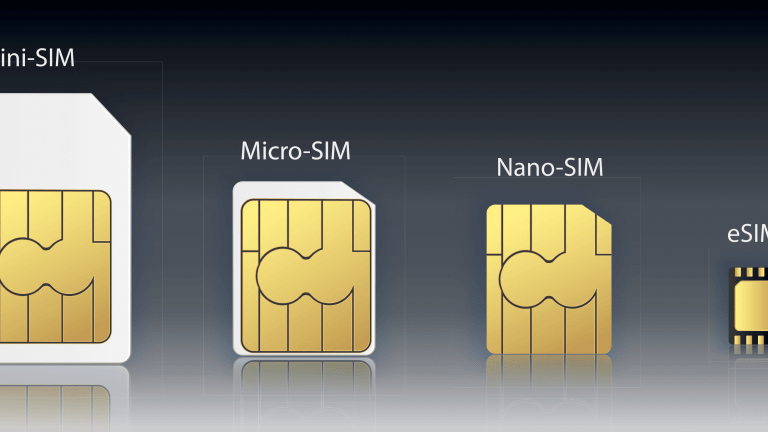
A built-in SIM card, or eSIM, is a form of SIM technology. Until recently, a SIM card was the only way to connect a device to a cellular network. This card serves as a storage medium for information and a network interface. More companies will soon be able to take advantage of the new eSIM technology, also known as a non-removable embedded SIM.
Things to Think About When Using SIM Cards in IoT Devices
Instant connectivity is provided by eSIMs, and users can switch between networks without any hassle or need to physically alter their device. In addition, they are made to suit the needs of IoT gadgets, which may be limited in size or weight, subject to vibration, or have specific power or transport needs. The devices’ increased adaptability is a result of their smaller size. Since eSIMs cannot be removed from the device in the same way that physical iot sim cards can, they provide an extra level of security.
Choosing a Network Provider for Your IoT Devices
Choosing the right connectivity partner is crucial to your success in the IoT market. Look for a firm that can meet your business’s needs through a combination of technical knowledge and commercial sense.
Some service providers might suggest an international Internet of Things SIM to their customers. Although buying a global SIM may seem like a good idea at first, we typically advise against it for the following reasons: While it may seem like a good idea to buy a single global SIM to simplify things at first, the reality is that there are often underlying coverage issues and hidden costs that make global SIMs less desirable for businesses in the long run. Instead, you should always opt for IoT SIM cards that support multiple carriers. Our IoT connectivity platform can handle the operational complexities of this strategy, so you can offer your customers the best connectivity options without adding extra work to the deployment of your devices.
Guidelines for Choosing the Appropriate IoT Devices The Information Master Plan
There are a number of things to consider when settling on a data plan for the IoT. Pricing, adaptability, coverage, management, and support are just a few of the high-level considerations you should make. However, depending on your specific needs, you’ll want to look further into the matter.
Power for Internet-of-Things-connected gadgets comes from subscriber identity module cards
Internet of Things (IoT) SIM cards are essential to the functionality of IoT networks, and their evolution will parallel that of the underlying technology. If you want help finding the best solutions for your business, choose an Internet of Things connectivity partner who understands the intricacies of the technology.