







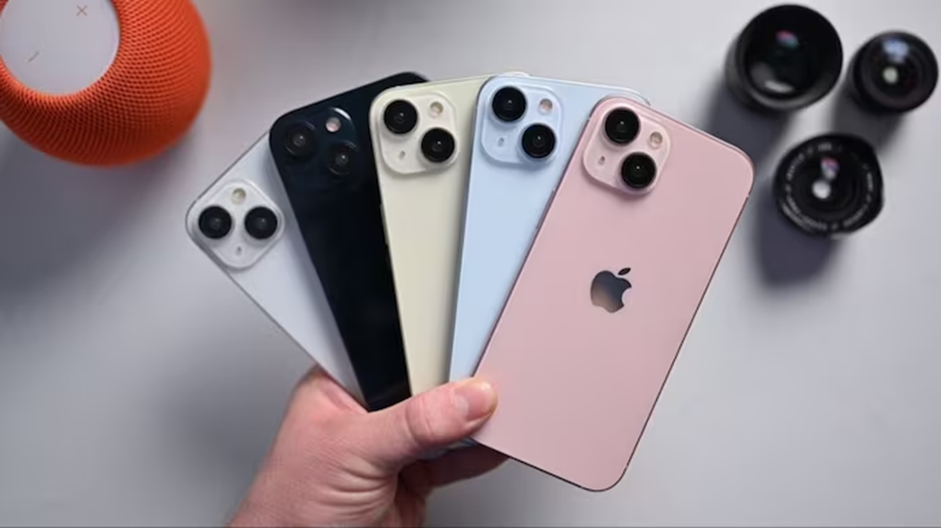
The iPhone, a revolutionary device that redefined the smartphone landscape, has become an integral part of our daily lives since its introduction by Apple in 2007. In this blog, we will explore the evolution of the iPhone, from its inception to the latest models, highlighting key features, technological advancements, and its impact on the tech industry.
The Birth of iPhone (2007)
Steve Jobs unveiled the first iPhone on January 9, 2007, combining a phone, iPod, and internet communicator in one device.
The touch interface, innovative design, and the App Store ecosystem set the iPhone apart from other smartphones of its time.
iPhone 3G and the App Store (2008)
The iPhone 3G introduced 3G connectivity and the App Store, opening the door to a vast array of third-party applications.
The App Store’s success contributed significantly to the iPhone’s popularity and ecosystem.
iPhone 4 and Retina Display (2010)
The iPhone 4 featured a sleek glass design, a front-facing camera, and the introduction of the Retina Display, offering stunning visual clarity.
FaceTime, Apple’s video calling technology, debuted on the iPhone 4.
Siri and iOS 5 (2011)
Siri, the intelligent virtual assistant, made its debut with the iPhone 4S, showcasing the potential of voice-activated commands.
iOS 5 brought significant improvements, including iMessage and iCloud integration.
iPhone 5 and Lightning Connector (2012)
The iPhone 5 introduced a larger 4-inch display and a new Lightning connector, replacing the 30-pin connector, enhancing durability and functionality.
Touch ID and iPhone 5s (2013)
The iPhone 5s featured the Touch ID fingerprint sensor, providing a new level of security and convenience.
The A7 chip made the iPhone 5s the first 64-bit smartphone.
iPhone 6 and Larger Displays (2014)
Apple responded to the demand for larger screens with the iPhone 6 and 6 Plus, featuring 4.7-inch and 5.5-inch displays, respectively.
3D Touch and iPhone 6s (2015)
The iPhone 6s introduced 3D Touch, a pressure-sensitive display technology, allowing users to access additional functionalities by varying touch pressure.
iPhone 7 and the Removal of the Headphone Jack (2016)
Apple controversially removed the headphone jack with the iPhone 7, promoting wireless audio solutions and the Lightning port for audio.
iPhone X and Face ID (2017)
The iPhone X marked the 10th anniversary with a bezel-less design, Face ID facial recognition technology, and the adoption of OLED Super Retina Display.
iPhone XS, XR, and Dual SIM Support (2018)
The iPhone XS and XR introduced improved cameras and performance, and the XR featured a more affordable LCD Liquid Retina Display.
Dual SIM support was introduced, catering to users with multiple phone numbers or travel needs.
iPhone 11 Series and Night Mode (2019)
The iPhone 11 series brought significant camera enhancements, including Night Mode for low-light photography.
Improved performance and battery life continued to be a focus.
iPhone 12 Series and 5G Connectivity (2020)
The iPhone 12 lineup featured 5G connectivity, MagSafe technology for accessories, and a Ceramic Shield front cover for enhanced durability.
iPhone 13 ,14 ,15 Series and Cinematic Mode (2021)
Buy iphone 15(ซื้อ iphone 15, term in Thai) series introduced advanced camera features, including Cinematic Mode for video recording.
Improved battery life, processing power, and display technology continued to push boundaries.
Conclusion
The iPhone’s journey over the years showcases Apple’s commitment to innovation, design excellence, and user experience. From its humble beginnings as a breakthrough in mobile technology to its current status as a symbol of cutting-edge innovation, the iPhone continues to shape the future of smartphones and set the standard for the industry. As technology evolves, one can only anticipate what the next chapters in the iPhone’s story will bring.