


The Yaogan-51 satellite launch has successfully deployed three new satellites, showcasing China’s advancements in space technology. This mission highlights the country’s commitment to expanding its capabilities in space exploration.
Overview of the Yaogan-51 Mission
The Yaogan-51 satellite launch marks a significant milestone in China’s space exploration efforts. This mission, which successfully deployed three satellites, is part of the country’s ongoing commitment to advancing its capabilities in satellite technology and Earth observation.
Launched atop the Long March 6 rocket, the Yaogan-51 mission is the 675th flight of the Long March series, showcasing the reliability and efficiency of this launch vehicle. The satellites are expected to enhance China’s capabilities in agricultural monitoring, disaster management, and resource exploration.
As part of a broader strategy to improve national security and development, the Yaogan-51 mission illustrates China’s ambitions in space. The successful deployment is a testament to the hard work and innovation of the teams behind the project, making it a noteworthy achievement in the realm of space missions.
Significance of the Long March 675th
The Yaogan-51 satellite launch marks a significant milestone in China’s aerospace endeavors, particularly as it coincides with the 675th mission of the Long March rocket series. This achievement underscores the reliability and sophistication of the Long March program, which has become a cornerstone of China’s efforts in space exploration.
With each launch, the Long March has demonstrated its capability to deliver various payloads into orbit, ranging from scientific instruments to advanced communication satellites. The significance of the 675th mission lies in its role in advancing China’s remote sensing technology, which has applications in agriculture, environmental monitoring, and disaster management.
Moreover, the success of the Yaogan-51 mission reinforces China’s position in the global space race, showcasing its commitment to developing a robust and innovative space infrastructure.
Details on the New Satellites
The recent launch of the Yaogan-51 satellite marks a significant advancement in China’s space exploration efforts. This mission successfully deployed three satellites into orbit, enhancing the country’s capabilities in Earth observation and reconnaissance.
Key details about the satellites include:
- Type: The Yaogan-51 satellites are designed for remote sensing purposes.
- Function: They will aid in agricultural monitoring, disaster management, and environmental protection.
- Launch Vehicle: The satellites were launched aboard a Long March 6 rocket, showcasing China’s growing launch capabilities.
The Yaogan-51 satellite launch not only demonstrates technological prowess but also contributes to global scientific research, solidifying China’s position in the international space community.
China’s Space Exploration Goals
China’s ambitions in space exploration continue to grow, as demonstrated by the recent Yaogan-51 satellite launch. This mission not only enhances the country’s capabilities in satellite technology but also strengthens its position in global space ventures.
The goals of China’s space exploration can be summarized as follows:
- Advancement of technology: Developing cutting-edge satellite systems to improve communication and data collection.
- International collaboration: Engaging in partnerships with other nations to share knowledge and resources in space research.
- Scientific research: Utilizing satellites like the Yaogan-51 for Earth observation and environmental monitoring.
- Strategic security: Enhancing national defense through advanced reconnaissance capabilities.
As the Yaogan-51 mission unfolds, it becomes evident that China’s objectives in space will continue to evolve and expand.
Technological Innovations in Space
The successful launch of the Yaogan-51 satellite marks a significant achievement in China’s space exploration efforts. This mission showcases several technological innovations that enhance satellite capabilities and operational efficiency.
Key advancements include:
- Enhanced Imaging Technology: The Yaogan-51 satellites are equipped with state-of-the-art sensors that provide high-resolution imagery for various applications.
- Advanced Communication Systems: Improved communication links allow for faster data transmission, enabling real-time monitoring and analysis.
- Increased Durability: The satellites feature robust designs that withstand the harsh conditions of space, extending their operational lifespan.
These innovations not only bolster the capabilities of the Yaogan-51 satellite launch but also contribute to China’s broader ambitions in space technology and exploration.
Impact on Global Satellite Networks
The recent Yaogan-51 satellite launch has substantial implications for global satellite networks, enhancing both civilian and military capabilities. This mission successfully deployed three satellites, which are designed to improve earth observation and reconnaissance abilities. The integration of these new satellites into existing networks is expected to bolster real-time data acquisition, benefiting a range of sectors including agriculture, forestry, and disaster management.
The enhanced imaging technology provided by the Yaogan-51 satellites will also contribute to more accurate environmental monitoring, making it easier to track climate change impacts. Furthermore, as nations increasingly rely on satellite systems for national security, the advancements brought by this mission could shift the dynamics of global satellite communications.
- Improved earth observation capabilities
- Enhanced military reconnaissance
- Better environmental monitoring
Future Launch Plans for 2026
As China continues to advance its space exploration initiatives, plans for future launches in 2026 are already taking shape. The Yaogan-51 satellite launch has set a precedent for subsequent missions, emphasizing the importance of expanding satellite networks for both military and civil applications.
In 2026, the Chinese space program aims to enhance its capabilities with a focus on the following:
- Deployment of additional Yaogan satellites: Building on the success of the Yaogan-51, more satellites are expected to be launched to strengthen reconnaissance capabilities.
- Increased collaboration: Partnerships with international space agencies may be explored to enhance technological exchange.
- Innovative launch vehicles: Continued development of advanced rockets, potentially including upgrades to the Long March series.
These plans reflect China’s commitment to becoming a leader in global space exploration.
Public Response to the Launch
The recent launch of the Yaogan-51 satellite has generated significant public interest and excitement. Many space enthusiasts and experts have taken to social media to express their admiration for China’s advancements in space technology.
Among the reactions, a few key themes have emerged:
- Optimism for Future Missions: Many believe that the success of the Yaogan-51 satellite launch sets a positive precedent for future space endeavors.
- Technological Triumph: Observers have praised the sophisticated technology employed in the Yaogan-51 mission, highlighting its potential applications.
- Global Collaboration: Some commentators emphasized the importance of international partnerships in advancing space exploration.
Overall, the launch has been celebrated as a testament to China’s commitment to expanding its capabilities in space, reaffirming the significance of the Yaogan-51 satellite launch in the global context.
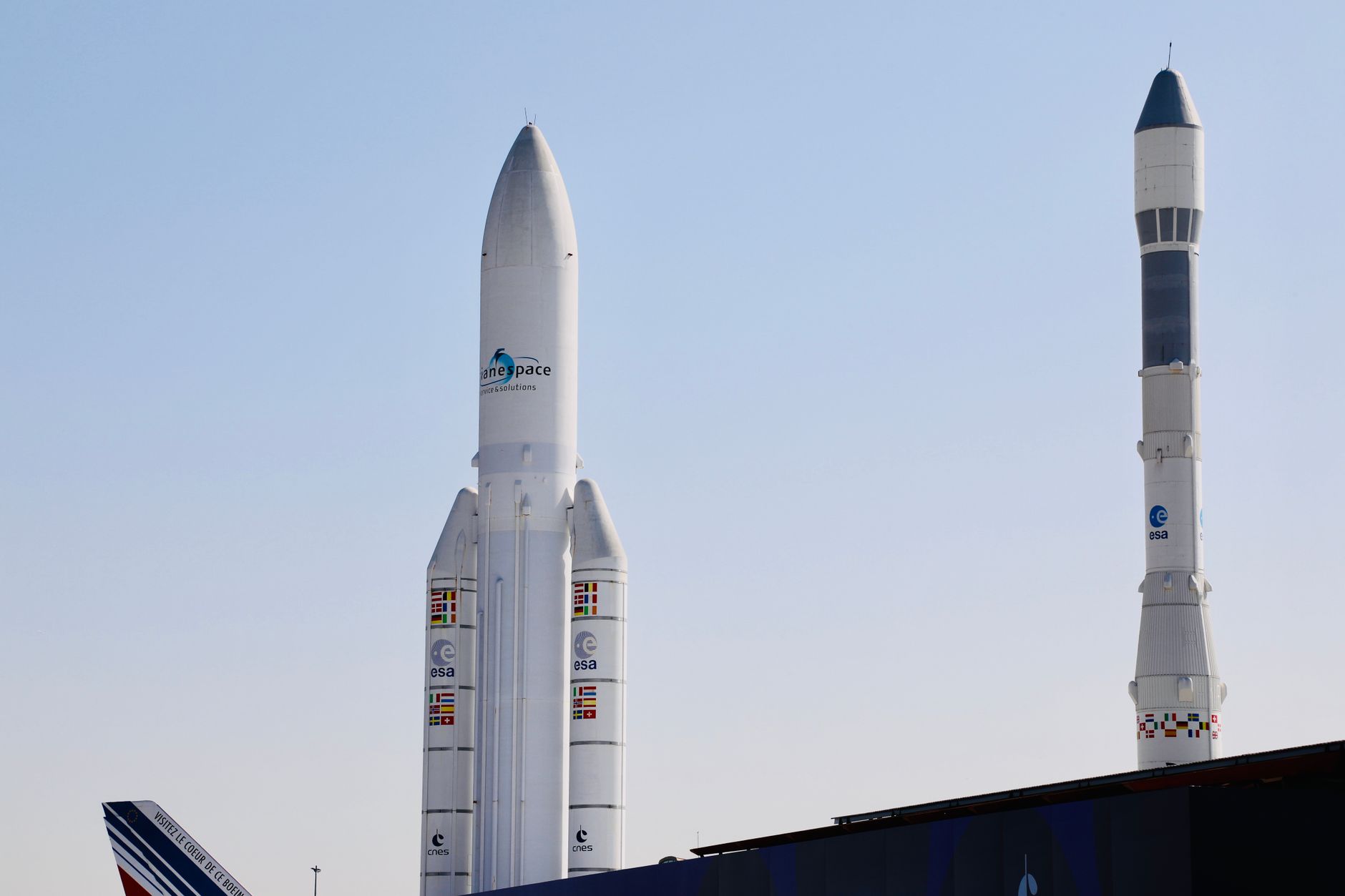
Photo by Léa Claisse on Pexels