



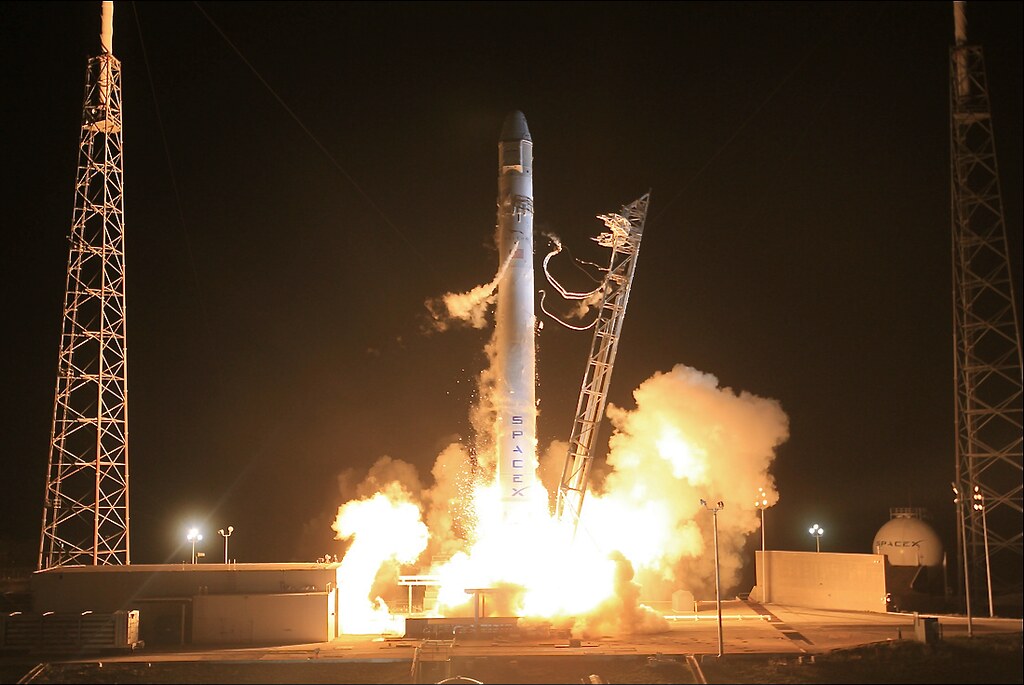
Falcon 9 launch milestone is celebrated as SpaceX successfully completes its 700th launch, solidifying its position as a leader in the aerospace industry. This significant achievement highlights the company’s ongoing efforts in deploying Starlink satellites.
Overview of Falcon 9’s journey
SpaceX has reached a significant Falcon 9 launch milestone with its 700th launch, marking a historic achievement in the world of space exploration. This remarkable feat underscores the reliability and versatility of the Falcon 9 rocket, which has become a workhorse for various missions since its first launch in 2010.
The journey of the Falcon 9 has been characterized by several key developments:
- First Flight: The Falcon 9 made its debut on June 4, 2010, successfully delivering a test payload to orbit.
- Reusability: In 2015, SpaceX pioneered the concept of reusable rockets, with the Falcon 9 becoming the first orbital-class rocket to land safely after launch.
- Commercial Launches: The Falcon 9 has facilitated numerous commercial satellite deployments, making it a preferred choice for private and government clients.
- Starlink Missions: A substantial portion of its launches has been dedicated to deploying Starlink satellites, aiming to provide global internet coverage.
With the successful completion of its 700th launch, SpaceX continues to set the standard for innovation and efficiency in the aerospace sector, paving the way for future exploration and satellite deployment.
Significance of the 700th launch
The achievement of the Falcon 9 launch milestone marks a significant moment in space exploration and satellite deployment. As the 700th launch successfully took place, it underscored SpaceX’s commitment to advancing space technology and enhancing global connectivity.
This milestone is not just a number; it represents years of innovation and perseverance in the aerospace sector. Each launch has contributed to a growing body of knowledge and experience that benefits not only SpaceX but the entire space industry.
Among the key implications of this achievement are:
- Increased Reliability: The consistent success of Falcon 9 missions has bolstered confidence in reusable rocket technology, paving the way for more cost-effective space travel.
- Global Connectivity: The launches have played a crucial role in deploying the Starlink satellite constellation, aimed at providing high-speed internet to underserved regions around the world.
- Future Missions: With the proven track record of the Falcon 9, SpaceX is set to push the boundaries further, including ambitious projects like crewed missions to Mars.
In summary, the significance of the 700th launch extends beyond SpaceX’s achievements, marking a transformative era in the accessibility and sustainability of space exploration.
Impact on Starlink satellite deployment
The milestone of the 700th Falcon 9 launch marks a pivotal moment not only for SpaceX but also for the expansion of its Starlink satellite constellation. With each successful launch, SpaceX has significantly increased the number of satellites in orbit, enhancing global internet coverage and connectivity.
As part of this historic achievement, the latest Falcon 9 mission deployed a batch of Starlink satellites, furthering the company’s goal of providing high-speed internet access to underserved regions around the world. This launch not only exemplifies the reliability of the Falcon 9 rocket but also underscores the importance of maintaining a robust satellite network.
The deployment of Starlink satellites during this landmark launch has several implications:
- Enhanced Coverage: The additional satellites will improve service quality and coverage for existing customers.
- Increased Capacity: More satellites in orbit enable greater bandwidth and lower latency for users.
- Global Reach: Starlink aims to bridge the digital divide, ensuring people in remote areas can access essential internet services.
As SpaceX continues to reach new launch milestones, the impact on Starlink deployment will be a critical factor in shaping the future of global internet connectivity.
Future missions planned by SpaceX
As SpaceX celebrates the achievement of its Falcon 9 launch milestone, the company is already looking ahead to future missions that promise to further expand its capabilities and influence in space. With the successful execution of its 700th launch, SpaceX is set to continue its aggressive schedule of deploying satellites and supporting various missions.
Upcoming missions include:
- Starlink Expansion: SpaceX plans to continue launching batches of Starlink satellites to enhance global internet coverage, particularly in underserved areas.
- Commercial Payloads: The Falcon 9 will be utilized for transporting commercial payloads to low Earth orbit, catering to private companies and scientific institutions.
- NASA Collaborations: SpaceX is expected to deliver supplies and equipment to the International Space Station (ISS) as part of its ongoing partnership with NASA.
- Interplanetary Missions: Future plans may also involve supporting missions aimed at Mars and beyond, as part of SpaceX’s long-term vision for space exploration.
With each launch, SpaceX reaffirms its position as a leader in the aerospace industry, pushing the boundaries of technology and innovation. The ongoing success of the Falcon 9 rocket is a testament to the company’s relentless pursuit of excellence in space travel.
Technological advancements in rocket launches
SpaceX’s recent Falcon 9 launch milestone marks not only a significant achievement in the company’s history but also highlights the technological advancements that have revolutionized rocket launches. Over the years, SpaceX has implemented various innovations that have increased the reliability and efficiency of its launch vehicles.
One of the most notable advancements is the development of reusable rocket technology. The Falcon 9’s first stage is designed to return to Earth and land vertically after launch, allowing it to be refurbished and reused for subsequent missions. This breakthrough has dramatically reduced the cost of launching payloads into space.
In addition to reusability, SpaceX has also made improvements in propulsion systems, payload capacity, and launch cadence. The Merlin engines used in the Falcon 9 are more powerful and efficient, enabling heavier payloads to be sent into orbit with less fuel consumption. This efficiency is crucial for missions that require multiple satellites to be deployed simultaneously.
The integration of advanced software and automation in launch operations has further streamlined the process. Real-time telemetry and data analysis enhance decision-making during launches, ensuring that each mission proceeds smoothly.
As SpaceX continues to push the boundaries of technology, the implications of its innovations extend beyond commercial launches, potentially paving the way for future interplanetary missions.
The Falcon 9 launch milestone marks a significant achievement for SpaceX, showcasing the company’s relentless commitment to innovation and reusability. As they celebrate this Falcon 9 launch milestone, the team is already looking ahead to future missions that will further revolutionize space travel.
By jurvetson via Openverse
References
Nothing Phone 1 leak: Is it the best smartphone yet? · ISRO GSLV-F18 launch: A Smart Boost for Navigation · ISRO GSLV-F18 launch: Is it the best revival for NAVIC?