
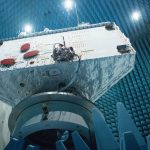

ISRO GSLV-F18 launch marks a significant milestone in India’s space journey, enhancing navigation capabilities through the NavIC system.
Overview of the GSLV-F18 Mission
The recent ISRO GSLV-F18 launch marks a significant milestone in India’s space endeavors. This mission successfully deployed the NVS-03 satellite, which is a critical component in enhancing the country’s navigation capabilities. The launch took place from the Satish Dhawan Space Centre, showcasing India’s growing expertise in geosynchronous satellite technology.
The GSLV-F18 rocket, known for its reliability, is designed to place heavier payloads into geosynchronous orbits. This mission underscores ISRO’s commitment to advancing indigenous satellite navigation systems, specifically the Navigation with Indian Constellation (NavIC). The NVS-03 satellite is equipped with advanced technology that promises to improve positioning accuracy and reliability for users across India and the surrounding region.
Key aspects of the GSLV-F18 mission include:
- Launch Vehicle: The GSLV (Geosynchronous Satellite Launch Vehicle) has been a cornerstone of ISRO’s satellite deployment capabilities.
- Mission Objectives: The primary aim is to enhance NavIC’s performance and provide improved navigation services.
- Make-in-India Initiative: The mission reflects the government’s vision of self-reliance in satellite technology and manufacturing.
This launch not only strengthens India’s position in the global space community but also highlights the potential for future advancements in navigation technology, making it a pivotal moment for ISRO and the nation at large.
Importance of NavIC in Navigation
The Indian Space Research Organisation (ISRO) has made significant advancements in navigation technology with the recent launch of the GSLV-F18, which successfully deployed the NVS-03 satellite. This launch emphasizes the importance of NavIC, India’s regional satellite navigation system, in enhancing the country’s navigation capabilities.
NavIC offers several key advantages that are crucial for various applications:
- Accuracy: NavIC provides accurate positioning services with an accuracy level of better than 20 meters, making it suitable for a range of applications, from civilian to military uses.
- Coverage: Unlike other global navigation systems, NavIC focuses on the Indian subcontinent, ensuring reliable service in this region.
- Resilience: The system is designed to operate effectively even in challenging environments, such as urban canyons and mountainous terrains, where GPS signals may falter.
- Indigenous Development: The development of NavIC aligns with India’s vision of a self-reliant economy, contributing to the Make-in-India initiative by fostering local technology and innovation.
The GSLV-F18 launch further strengthens the NavIC constellation, reinforcing its capabilities and ensuring that India remains at the forefront of navigation technology. As the demand for precise navigation solutions continues to grow, NavIC is poised to play a vital role in transforming various sectors, including transportation, agriculture, and disaster management.
ISRO’s Make-in-India Initiative
ISRO’s commitment to the Make-in-India initiative has played a pivotal role in enhancing the nation’s technological capabilities. The recent launch of the GSLV-F18 marks a significant milestone in this endeavor, showcasing India’s growing prowess in the aerospace sector.
This initiative not only emphasizes self-reliance in satellite launch technology but also promotes indigenous manufacturing and innovation. By developing the GSLV-F18 through local resources, ISRO has strengthened the foundation for future missions.
- Boosting Local Industry: The GSLV-F18 launch encompasses collaboration with various Indian industries. This partnership encourages investment and skill development, benefiting the country’s economy.
- Technological Advancements: The mission has led to the development of advanced technologies that are critical for further progress in space research and satellite navigation.
- Global Competitiveness: With the successful deployment of the GSLV-F18, India positions itself as a competitive player in the global aerospace market, attracting international partnerships and collaborations.
The GSLV-F18 launch is not just a technological achievement; it represents a step towards realizing ISRO’s vision of sustainable and independent space exploration. As NavIC becomes increasingly integrated into navigation systems, the benefits of the Make-in-India initiative are set to expand, supporting both national and global navigation needs.
Technical Specifications of GSLV-F18
The GSLV-F18 launch, conducted by the Indian Space Research Organisation (ISRO), showcased cutting-edge technology and robust engineering. The rocket stands as a testament to India’s growing capabilities in space exploration and satellite deployment.
The GSLV-F18 is equipped with several technical specifications that enhance its performance:
- Height: The rocket measures approximately 49 meters, making it one of the tallest launch vehicles in ISRO’s fleet.
- Liftoff Mass: It has a liftoff mass of around 420 tonnes, allowing it to carry significant payloads into space.
- Payload Capacity: GSLV-F18 can carry payloads of up to 2,500 kg to Geosynchronous Transfer Orbit (GTO), facilitating the launch of advanced satellites like NVS-03.
- Engine Type: The vehicle utilizes a combination of solid and liquid propulsion systems, including the high-performance Vikas engine.
- Mission Duration: The launch is designed for a mission duration of approximately 22 minutes, ensuring efficient placement of satellites in orbit.
- Navigation Enhancement: The launch specifically aims to enhance NavIC, India’s regional satellite navigation system, providing accurate positioning services across the region.
With these specifications, the ISRO GSLV-F18 launch marks a pivotal moment in bolstering India’s navigation capabilities and supports the nation’s ambitions in space technology.
Future Plans for Indian Space Missions
The Indian Space Research Organisation (ISRO) has outlined ambitious plans for future space missions, building on the success of the GSLV-F18 launch. As India continues to enhance its satellite capabilities, the focus will remain on expanding the NavIC constellation, which is critical for providing accurate navigation services to users across the region.
In the coming years, ISRO aims to:
- Launch additional satellites: The organization plans to deploy more satellites to improve the coverage and accuracy of the NavIC service, ensuring reliable navigation for both civilian and military applications.
- Enhance technological capabilities: By investing in cutting-edge technology, ISRO seeks to develop next-generation launch vehicles and satellite systems that can operate more efficiently in space.
- Collaborate internationally: ISRO intends to foster partnerships with other space agencies and organizations to share knowledge, technology, and resources.
- Promote the commercial space sector: The agency is looking to encourage private participation in space missions, which will not only boost the economy but also enhance India’s position in the global space market.
As ISRO moves forward, the focus on the GSLV-F18 launch and its implications will play a pivotal role in shaping India’s future in space exploration and navigation technology, reinforcing the nation’s commitment to becoming a leader in the global space arena.
Challenges Faced by ISRO
The recent ISRO GSLV-F18 launch was not without its challenges, showcasing the complexity of space missions and the determination of the Indian Space Research Organisation. Each launch comes with a unique set of hurdles, and the GSLV-F18 mission faced several significant ones.
- Technical Difficulties: Despite rigorous testing, unexpected technical issues can arise during the countdown or launch phases. For GSLV-F18, engineers worked tirelessly to troubleshoot minor glitches that could have delayed the mission.
- Weather Conditions: Launch windows are often impacted by weather. Meticulous monitoring of atmospheric conditions was vital to ensure the launch could proceed safely. ISRO had to be prepared for last-minute changes due to adverse weather.
- Supply Chain Challenges: The pandemic has affected supply chains globally, causing delays in procuring essential materials. ISRO’s commitment to the Make-in-India initiative aims to mitigate these issues by sourcing components domestically, but challenges remain.
- Coordination Among Teams: The GSLV-F18 mission required seamless collaboration between various ISRO teams. Coordinating efforts among engineers, scientists, and administrative staff was crucial to ensure every aspect of the launch went smoothly.
Despite these challenges, the successful launch of GSLV-F18 only highlights ISRO’s resilience and commitment to advancing India’s navigation capabilities through initiatives like NavIC.
Impact of Satellite Launches on Navigation
The successful launch of the GSLV-F18 by ISRO marks a significant milestone in enhancing navigation capabilities in India. With the deployment of the NVS-03 satellite, the Indian Regional Navigation Satellite System (NavIC) is set to provide improved positioning services across the country and surrounding regions.
The impact of satellite launches on navigation systems cannot be overstated. The NVS-03 satellite is equipped with advanced technology that ensures accurate and reliable signals for users in various sectors, including transportation, agriculture, and disaster management. This enhanced precision will empower users to make informed decisions based on real-time data.
In addition to providing accurate navigation, the GSLV-F18 launch supports a broader vision of self-reliance in technology. The Make-in-India initiative is bolstered by ISRO’s ongoing commitment to develop and manufacture indigenous satellite systems, thereby reducing dependency on foreign technology.
The benefits of these advancements extend beyond commercial applications. Improved navigation services can contribute to national security, as efficient positioning aids in military operations and emergency responses. Furthermore, with the global navigation satellite system landscape becoming increasingly competitive, India’s advancements through missions like the GSLV-F18 launch are vital for maintaining a strategic edge.
In summary, the GSLV-F18 launch not only elevates NavIC’s capabilities but also reinforces India’s position as a key player in the global navigation arena.
Public Response to the Mission
The recent launch of the ISRO GSLV-F18 has garnered significant public interest, with many citizens expressing pride in India’s growing capabilities in space technology. Social media platforms buzzed with excitement as enthusiasts and experts shared their thoughts on the implications of this mission for navigation systems.
Many users highlighted the importance of the NVS-03 satellite, which is expected to enhance the Navigation with Indian Constellation (NavIC) system, a crucial asset for both civilian and military applications. Comments flooded in from students, professionals, and space aficionados who were eager to witness India’s advancements in satellite technology.
In addition, local communities organized viewing events and discussions to celebrate the launch. These gatherings served as a platform for sharing knowledge about the significance of the GSLV-F18 mission and its role in strengthening India’s navigation capabilities. Enthusiasts expressed a sense of unity and national pride as they learned more about how the satellite will impact everyday navigation and the overall economy.
Moreover, the government’s Make-in-India initiative received positive feedback, with many expressing hope that such missions will inspire future generations to pursue careers in science and technology. The launch not only symbolizes technological advancement but also fosters a sense of belonging and aspiration among the public.
The successful ISRO GSLV-F18 launch marks a significant advancement in India’s navigation capabilities. As the nation aims to enhance its satellite navigation system, the ISRO GSLV-F18 launch plays a crucial role in ensuring accurate positioning for various applications.