




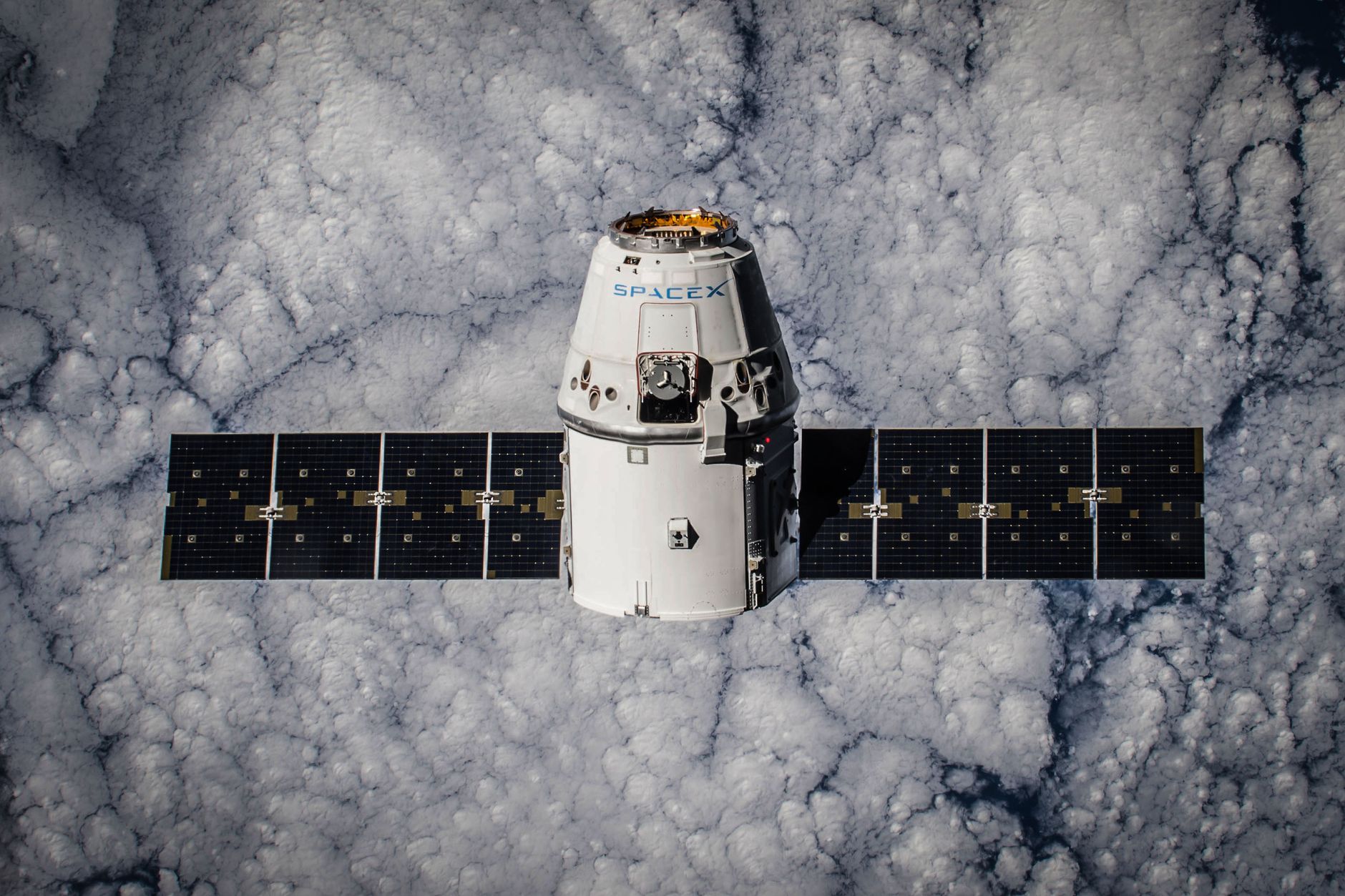
GSLV-F17 satellite launch marks a significant advancement in India’s surveillance capabilities. The mission aims to provide continuous monitoring of the nation’s borders, enhancing security measures.
Overview of the GSLV-F17 Mission
The recently launched GSLV-F17 satellite mission marks a significant advancement in India’s border security capabilities. This mission is part of India’s ongoing efforts to enhance surveillance and monitoring of its borders, providing crucial data for national security. The satellite is equipped with state-of-the-art technology, enabling it to capture high-resolution images and relay real-time information.
With the GSLV-F17, India aims to strengthen its defense infrastructure, ensuring that its security agencies have access to vital intelligence. The satellite will operate continuously, providing a comprehensive view of the country’s borders, which is essential for timely responses to any emerging threats.
This launch represents a strategic move by India to bolster its defense mechanisms and to maintain a vigilant watch over its territories, emphasizing the importance of technological advancements in modern security operations.
Importance of Satellite Surveillance
The recent GSLV-F17 satellite launch marks a significant milestone in enhancing India’s border security through advanced surveillance technology. The ability to monitor borders continuously is crucial for maintaining national safety and sovereignty.
Satellite surveillance provides several advantages:
- Real-time Monitoring: Constant observation allows for immediate detection of any suspicious activities.
- Data Collection: Satellites can gather critical intelligence, which aids in strategic planning and response.
- Enhanced Decision Making: Access to comprehensive data enables authorities to make informed decisions regarding border management.
- Deterrence: The presence of surveillance technology can deter potential threats from adversaries.
Thus, the GSLV-F17 satellite is not just a technological achievement; it is a vital asset for ensuring the safety and security of India’s borders.
Technical Specifications of GSLV-F17
The GSLV-F17 satellite launch represents a significant advancement in India’s capabilities for border security and surveillance. This satellite is equipped with state-of-the-art technology aimed at enhancing India’s monitoring systems.
Key technical specifications of the GSLV-F17 include:
- Launch Vehicle: Geosynchronous Satellite Launch Vehicle (GSLV) Mk II
- Payload Capacity: Up to 2,500 kg into geostationary orbit
- Orbit Type: Geostationary orbit at 36,000 km
- Key Instrumentation: High-resolution imaging sensors
- Mission Duration: Designed for a lifespan of over 10 years
The GSLV-F17 not only strengthens India’s defense infrastructure but also plays a crucial role in real-time data acquisition for effective border management.
ISRO’s Role in National Security
The Indian Space Research Organisation (ISRO) plays a crucial role in enhancing national security through its satellite programs. The recent GSLV-F17 satellite launch underscores this commitment, providing advanced capabilities for monitoring India’s borders. With its sophisticated surveillance technology, the GSLV-F17 is designed to support defense operations and improve situational awareness.
ISRO’s efforts in space technology have transformed the way India addresses security challenges. The data collected by the GSLV-F17 will aid in real-time intelligence gathering and analysis, enabling quicker response times to potential threats. Moreover, the satellite’s capabilities are expected to bolster collaboration between various defense and intelligence agencies.
In an era where security is paramount, ISRO’s strategic advancements, highlighted by the GSLV-F17 satellite launch, reinforce India’s resolve to protect its sovereignty and maintain peace in the region.
Future of Space Missions in India
The successful launch of the GSLV-F17 satellite marks a significant milestone in India’s space exploration and security efforts. As the country continues to invest in advanced technologies, the future of space missions looks promising.
India’s commitment to enhancing its surveillance capabilities is evident as it explores further missions aimed at monitoring its borders and natural resources.
Key trends shaping the future of space missions include:
- Increased collaboration with international space agencies for shared knowledge and resources.
- Development of next-generation satellites that provide enhanced functionalities, including better imaging and real-time data transmission.
- Focus on indigenous technology to reduce dependence on foreign systems and boost local innovation.
With initiatives like the GSLV-F17 satellite launch, India is poised to strengthen its position in the global space arena while ensuring national security.
Public Reaction to the Launch
The recent GSLV-F17 satellite launch has sparked a wave of enthusiasm among the Indian public, with many expressing their support for the initiative aimed at enhancing national security. Citizens took to social media platforms to share their thoughts, highlighting the importance of satellite surveillance in safeguarding the country’s borders.
- Increased awareness: Many people are now more informed about the role of satellites in national defense.
- Patriotic sentiments: The launch has instilled a sense of pride in India’s advancements in space technology.
- Calls for more missions: Public opinion suggests a desire for continued investment in space exploration and satellite development.
Overall, the GSLV-F17 satellite launch has resonated positively with the populace, reflecting a collective hope for enhanced border security through innovative technology.
Challenges Faced by ISRO
The launch of the GSLV-F17 satellite was not without its challenges for the Indian Space Research Organisation (ISRO). As they embarked on this crucial mission, several obstacles had to be navigated to ensure success.
- Technical Hurdles: The complexity of the GSLV-F17’s systems required extensive testing and validation, pushing the limits of existing technology.
- Weather Conditions: Adverse weather during the launch window posed a significant threat, necessitating last-minute adjustments.
- Budget Constraints: Funding limitations meant that ISRO had to operate within a tight budget while ensuring high-quality outcomes.
- International Competition: As global space missions advance, ISRO faced pressure to deliver a successful launch amidst increasing competition.
Despite these challenges, the successful GSLV-F17 satellite launch marks a significant achievement in enhancing India’s border security.
Photo by SpaceX on Pexels
References
You might also like
Find Popular Online Platforms Faster With a Convenient Site Collection Organized Into Easy-to-Browse Categories · Dr Scott Kamelle Creating New Pathways for Progress in Women’s Cancer Care · The Core Competencies Behind a Successful TEFL Career