








NVIDIA RTX 50 Series price hike has taken many by surprise, with increases of up to 144% in Japan. The RTX 5060 Ti 16GB now costs nearly $1300, raising concerns among consumers.
Understanding the Price Hike
The recent announcement regarding the NVIDIA RTX 50 Series price hike has sent shockwaves through the gaming community. Gamers who were anticipating upgrades to their setups are now facing unprecedented costs, with reports indicating price increases of up to 144% in markets like Japan.
For instance, the RTX 5060 Ti 16GB, which was expected to be a mid-range option, is now priced at nearly $1300. This significant hike has raised concerns about accessibility and affordability for many gamers.
Several factors contribute to this dramatic increase:
- Supply Chain Issues: Ongoing global supply chain disruptions have led to fewer GPUs being available.
- Increased Production Costs: Rising costs of materials and manufacturing have impacted overall pricing.
- Market Demand: The ongoing demand for high-performance gaming equipment has allowed manufacturers to raise prices without losing customers.
As the NVIDIA RTX 50 Series price hike continues to unfold, gamers are left grappling with the reality of inflated costs, prompting many to reconsider their upgrade plans.
Impact on Gamers
The recent price hikes for the NVIDIA RTX 50 Series have sent shockwaves through the gaming community, with many gamers feeling the brunt of the financial impact. As prices soar, particularly in regions like Japan where increases can reach up to 144%, the affordability of high-performance graphics cards is being called into question.
For gamers, the implications are significant:
- Increased Budget Strain: Many enthusiasts who anticipated upgrading to the RTX 50 Series may now find themselves priced out of the market, as an RTX 5060 Ti 16GB can now cost nearly $1300.
- Delayed Upgrades: The price hike has led to a postponement of upgrades, as gamers reevaluate their spending on hardware.
- Impact on Competitive Play: Gamers who rely on the latest technology for competitive gaming may find themselves at a disadvantage if they cannot afford the new cards.
- Market Alternatives: With the NVIDIA RTX 50 Series price hikes, many are considering alternative brands or older models, potentially stifling innovation and competition in the graphics card market.
Overall, the NVIDIA RTX 50 Series price hike is reshaping the landscape for gamers, leaving many to wonder about the future of affordable gaming hardware.
Comparison with Previous Models
The recent price hike of the NVIDIA RTX 50 Series has sent shockwaves through the gaming community, particularly when compared to previous models. Gamers are feeling the brunt of this increase, which has raised concerns about affordability and access to high-performance graphics cards.
When we look at the prices of earlier models, such as the RTX 3060 and RTX 4060, the differences are staggering:
- RTX 3060: Launched at approximately $329, this model was celebrated for its balance of performance and price.
- RTX 4060: Released at around $299, it provided a solid upgrade without a hefty price tag.
- RTX 5060 Ti: Currently priced at nearly $1300 in Japan, this model reflects a shocking increase of up to 144%.
The stark contrast between the previous models and the escalating prices of the NVIDIA RTX 50 Series price hike raises critical questions about the future of gaming hardware. As gamers grapple with these mounting costs, many are left wondering if they can continue to upgrade their systems without breaking the bank.
Market Trends in Japan
Market trends in Japan have revealed a significant shift in consumer behavior following the recent NVIDIA RTX 50 Series price hike. As gamers face escalating costs, the demand for high-performance graphics cards remains, albeit with growing apprehension over pricing.
According to recent reports, the RTX 5060 Ti 16GB model is now priced at nearly $1300, reflecting a staggering increase of up to 144%. This surge has prompted many gamers to reconsider their purchasing decisions, leading to a few key trends:
- Increased interest in older models: Gamers are gravitating towards previous generations, such as the RTX 40 Series, which may offer better value for performance.
- Growing preference for budget-friendly alternatives: Many consumers are exploring less expensive brands or options within the mid-range segment, as the NVIDIA RTX 50 Series price hike pushes them away from high-end purchases.
- Shift to second-hand markets: The used graphics card market is becoming increasingly popular, as gamers seek to find deals on older models before prices rise further.
These trends signal a potential long-term impact on how gamers and PC builders approach their hardware investments in Japan.
Consumer Reactions
In response to the recent price hikes of the NVIDIA RTX 50 Series, many consumers have taken to social media and online forums to express their frustration. The unprecedented increase, with some models seeing price surges of up to 144%, has left gamers feeling disheartened.
Numerous gamers have shared their thoughts, highlighting the impact of these price hikes on their purchasing decisions. Many feel that the new pricing, particularly for the RTX 5060 Ti 16GB now nearing $1300, is unjustifiable given the current economic climate.
- Affordability Concerns: Gamers are worried that the elevated prices will push high-performance graphics cards out of reach for the average consumer.
- Disappointment with NVIDIA: Some loyal NVIDIA fans have expressed their discontent, feeling betrayed by the company’s sudden shift in pricing strategy.
- Shift to Alternatives: A noticeable trend is emerging, with many gamers considering alternatives, including older models or competitor brands.
As the NVIDIA RTX 50 Series price hike continues to spark debate, the gaming community remains hopeful that NVIDIA will reconsider its pricing strategy in the near future.
Future of NVIDIA Graphics Cards
The future of NVIDIA graphics cards appears increasingly uncertain as the NVIDIA RTX 50 Series price hike creates a ripple effect across the gaming community. With substantial price increases reported, many gamers are left questioning whether they will continue to invest in high-end graphics cards or seek alternative options.
As the demand for high-performance gaming hardware grows, NVIDIA’s pricing strategy may alienate a significant portion of its customer base. The introduction of the RTX 50 Series has raised eyebrows, particularly with reports of pricing jumps of up to 144% in regions like Japan. This dramatic increase has made cards like the RTX 5060 Ti 16GB nearly $1300, a threshold many gamers are unwilling to cross.
- Increased competition from AMD and other manufacturers may prompt NVIDIA to reconsider its pricing strategy.
- Gamers may begin to prioritize value over brand loyalty, leading to a shift in market dynamics.
- The rise of cloud gaming services may also influence future purchasing decisions, as more players opt for subscription-based models.
Ultimately, the long-term implications of this price hike remain to be seen, but it undoubtedly poses challenges for both NVIDIA and the gaming community.
The NVIDIA RTX 50 Series price hike has left many gamers feeling frustrated and disillusioned with the current state of the graphics card market. As demand continues to rise, the NVIDIA RTX 50 Series price hike could lead to even more challenges for those looking to upgrade their gaming setups.
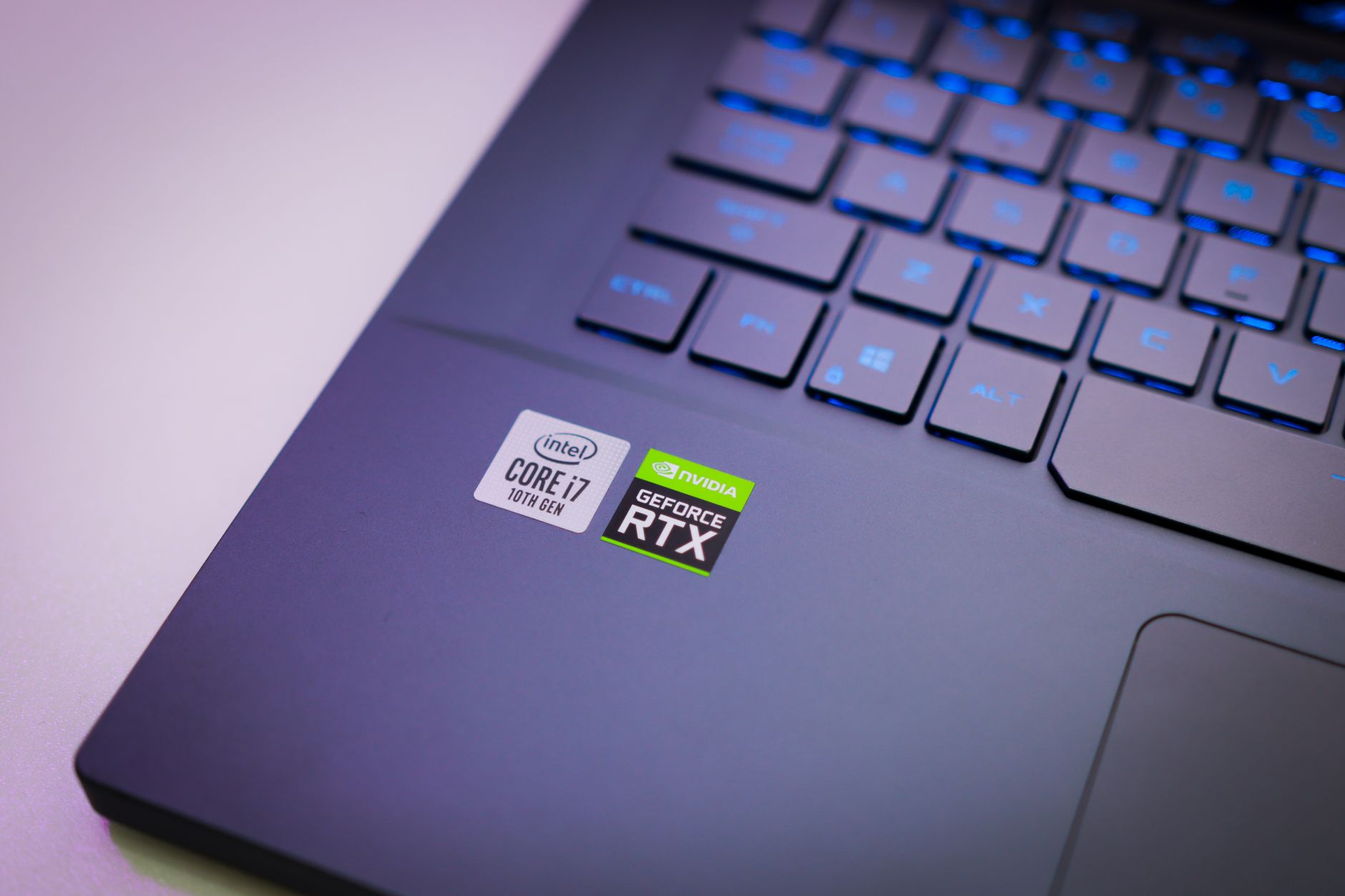
Photo by Foysal Ahmed on Pexels